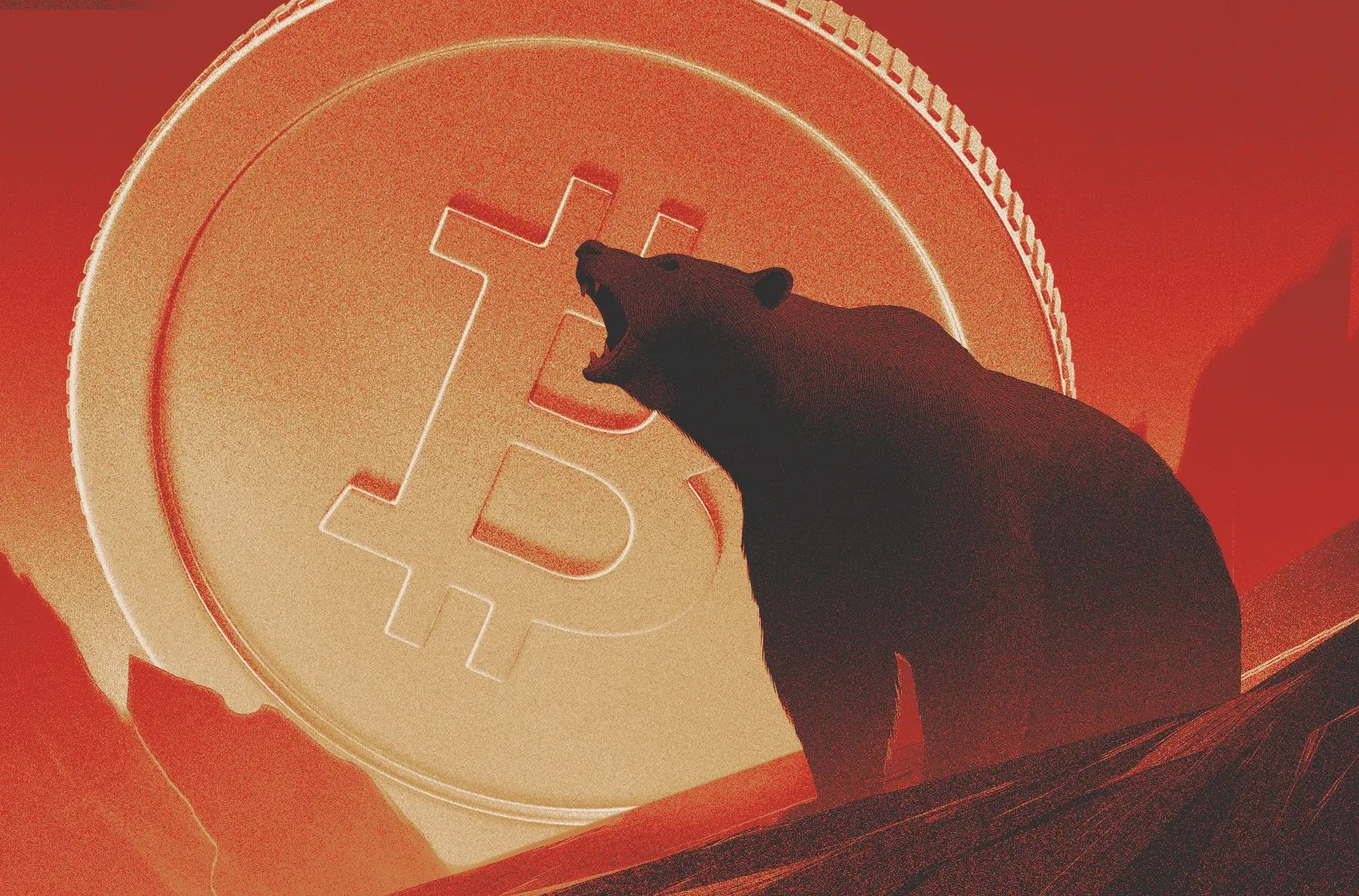
The cryptocurrency market is approaching a decisive inflection point, with three major financial institutions independently warning that 2026 could mark its most severe test to date. Their outlooks converge on a mix of tightening liquidity, stricter regulation, and shifting investor behavior that may expose structural weaknesses across digital assets. After years of rapid expansion fueled by speculation and easy capital, crypto is entering a more mature but unforgiving phase. The coming period is expected to separate resilient projects from fragile ones, reshape market leadership, and determine whether crypto can evolve into a stable component of the global financial system.
Liquidity Tightening Alters the Risk Landscape
One of the dominant concerns highlighted by leading financial firms is the global shift toward tighter monetary conditions. As central banks maintain higher interest rates for longer, speculative capital that once flowed freely into digital assets is becoming scarce.
Reduced liquidity typically amplifies volatility, particularly in markets driven by leverage. Analysts argue that crypto’s heavy dependence on short-term capital makes it especially vulnerable to prolonged funding stress. In such an environment, assets without strong utility or sustainable revenue models may struggle to survive.
Regulation Moves From Uncertainty to Enforcement
Another shared warning centers on regulation transitioning from ambiguity to active enforcement. Policymakers across major economies are moving to formalize rules governing trading platforms, stablecoins, and custody services.
While regulatory clarity is widely viewed as positive over the long term, the short-term impact could be disruptive. Compliance costs are expected to rise, weaker operators may exit the market, and some business models could become unviable. Financial leaders caution that this adjustment phase may trigger consolidation and sharp market repricing.
Investor Psychology Shifts Toward Fundamentals
Market veterans also point to a notable change in investor behavior. The era of narrative-driven rallies appears to be fading, replaced by growing scrutiny of cash flows, governance, and balance-sheet strength.
Institutional investors, in particular, are applying stricter due diligence standards similar to those used in traditional finance. This shift could pressure highly speculative tokens while benefiting projects with clear use cases and transparent operations. The transition, however, may be painful for markets accustomed to momentum-driven gains.
Systemic Risk and Interconnected Markets
As crypto becomes more intertwined with traditional finance, systemic risk is emerging as a central concern. Large-scale liquidations or failures within digital markets now have the potential to spill over into equities, credit, and derivatives.
Financial institutions warn that this interconnectedness raises the stakes for risk management. Inadequate safeguards at major crypto intermediaries could amplify shocks during periods of market stress, making 2026 a critical year for testing the sector’s resilience.
A Defining Moment for Digital Assets
Despite the warnings, financial leaders do not frame 2026 solely as a threat. Instead, they describe it as a proving ground. Markets that withstand tighter liquidity, regulatory scrutiny, and heightened investor discipline could emerge stronger and more credible.
The coming test is likely to redefine crypto’s role in global finance. Whether the sector matures into a durable asset class or retreats into a niche market will depend on how effectively it adapts to the harsher realities ahead.
About Author

