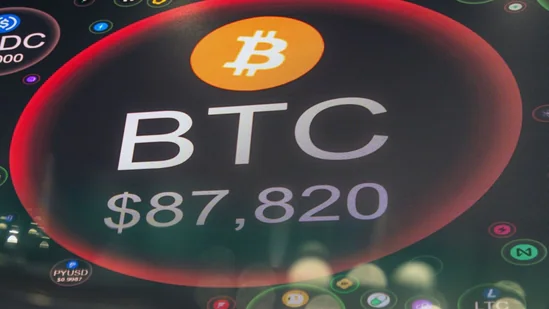
The global cryptocurrency market faced a jarring shock after Bitcoin and major digital assets plunged sharply within hours, triggering widespread panic among traders and long-term investors. The sudden crash erased billions in market capitalization, intensified by leveraged liquidations, weakening global sentiment, and persistent macroeconomic uncertainties. With risk-sensitive assets already under pressure, the downturn amplified fears of a prolonged correction heading into the new month. Analysts warn that while volatility is intrinsic to the crypto ecosystem, the scale and speed of the fall point to deeper structural fragilities. The latest slide has reignited debate about resilience, regulation, and long-term confidence in digital assets.
A Sudden Market Shock
Bitcoin, the world’s largest cryptocurrency, experienced a steep decline that rattled investor confidence and dragged the broader crypto market into a rapid sell-off. The abrupt drop unfolded during high-volume trading hours, triggering automated selling as key support levels broke. Ethereum, Solana, and several mid-cap tokens mirrored the fall, deepening concerns that the market may be entering a fresh phase of instability.
Market volatility—already elevated due to global economic pressures—was further aggravated by uncertainty surrounding liquidity conditions and cautious investor behavior.
Leverage Wipeouts Accelerate the Decline
One of the core drivers of the crash was the mass liquidation of leveraged positions. Heavy use of futures and derivative products has made the market increasingly sensitive to sudden price swings. As prices fell, liquidation algorithms automatically closed large positions, adding downward pressure and creating a cascading effect across exchanges.
Billions of dollars in leveraged bets were wiped out in a matter of hours, highlighting the vulnerability of a market heavily influenced by speculative trading rather than long-term fundamentals.
Global Sentiment Turns Risk-Averse
The downturn also comes at a time when global sentiment toward risk-driven assets is cooling. Investors have been repositioning portfolios amid concerns about interest rates, inflationary persistence, and fluctuating liquidity conditions across major economies.
Crypto, often perceived as a high-risk, high-reward asset class, has felt the brunt of this shift. With traditional markets showing heightened caution, digital assets have struggled to maintain their earlier momentum.
Institutional Caution Adds to the Pressure
Institutional participation—once a stabilizing force during market rallies—has recently softened. Funds and large-scale investors have trimmed exposure to volatile assets, awaiting clearer regulatory direction and more stable macroeconomic cues.
Outflows from major crypto investment products have reduced liquidity, making prices more sensitive to rapid sentiment changes. For crypto enthusiasts, the retreat of institutional capital has been a notable blow, as it reverses a significant driver of the previous year’s growth.
Investor Anxiety and the Psychology of the Dip
Beyond technical triggers and macroeconomic pressures, market psychology played a pivotal role in magnifying the downturn. Fear-driven selling escalated across retail trading platforms, with many investors liquidating holdings to avoid deeper losses.
This sudden shift from optimism to panic underscores crypto’s dependence on sentiment—an environment where confidence can evaporate quickly, often overshadowing fundamentals or long-term adoption trends.
What Comes Next for the Market?
Analysts remain divided on whether this correction marks a temporary setback or the beginning of a more prolonged consolidation phase. Some view the crash as a necessary reset, clearing excess leverage and speculative excesses from the system. Others warn that without improved liquidity and stronger investor conviction, recovery may remain uncertain in the near term.
Despite the turbulence, long-term supporters argue that crypto’s broader story—driven by technological innovation, decentralization, and institutional integration—remains intact. However, the latest shock serves as a stark reminder of the volatility that defines the sector.
Conclusion
The sudden crash in Bitcoin and major cryptocurrencies has shaken global markets, emphasizing both the promise and the peril of digital assets.
About Author
