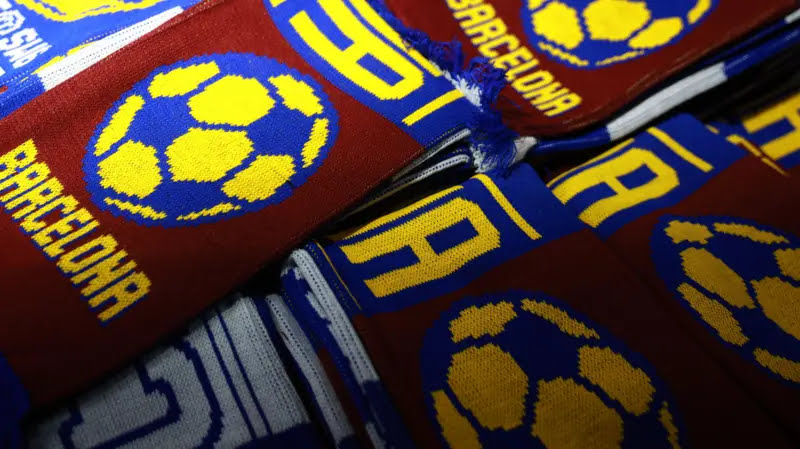
FC Barcelona has moved to distance itself from a cryptocurrency product linked to one of its key sponsors after the initiative drew strong criticism from fans and financial commentators. The backlash centered on concerns about speculative digital assets being promoted under the club’s brand at a time when regulators worldwide are scrutinizing crypto marketing. In response, the club clarified that it had no operational involvement in the offering and stressed that the project did not reflect its commercial strategy. The episode has reignited debate over how far sports organizations should go when partnering with companies in high-risk financial sectors.
Club Clarifies Position as Fan Concerns Intensify
Barcelona issued a statement underscoring that it played no direct role in the development, launch, or management of the cryptocurrency associated with its sponsor. According to the club, the product was entirely conceived and overseen by the sponsor, and its use of Barcelona’s branding was limited to the parameters defined in their commercial agreement.
The clarification followed mounting social media criticism from supporters who argued that football clubs should avoid endorsing financial products that could expose fans to volatility or misleading claims. Some fan groups emphasized the need for greater responsibility when associating with emerging or unregulated markets.
Growing Scrutiny of Crypto Partnerships in Sports
The episode highlights a broader shift within global sports sponsorships, where collaborations involving crypto firms have become more common—but also more controversial. Several clubs and leagues have faced public and regulatory pressure after promoting tokens or digital investment schemes that later suffered steep declines in value.
Experts note that while such partnerships offer lucrative commercial opportunities, they also come with reputational risks. As digital asset markets remain highly volatile, sports entities are increasingly challenged to balance revenue ambitions with ethical considerations and long-term trust among their supporters.
Sponsor Faces Questions Over Product’s Intent
Industry observers say the backlash stemmed not only from the speculative nature of the cryptocurrency but also from unclear communication regarding its purpose, utility, and associated risks. Critics argued that the product blurred the lines between fan engagement initiatives and investment tools, potentially placing inexperienced users in a vulnerable position.
The sponsor has yet to provide detailed public comments addressing the negative sentiment, though people familiar with the matter suggest internal reviews are underway. Market analysts believe clearer disclosures and stronger consumer protections will be necessary if crypto-linked sponsorships are to regain credibility.
Barcelona Reaffirms Commitment to Responsible Partnerships
In light of the controversy, the club reiterated that it remains committed to forming alliances that align with its values, brand integrity, and global audience. Officials suggested that future sponsorship agreements may undergo heightened due diligence to avoid similar concerns.
Barcelona’s move to distance itself from the cryptocurrency could influence how other major clubs approach partnerships with companies operating in emerging financial industries. With fan expectations rising and regulatory landscapes tightening, the sports sector may soon adopt more cautious frameworks when engaging with digital asset firms.
I
About Author
