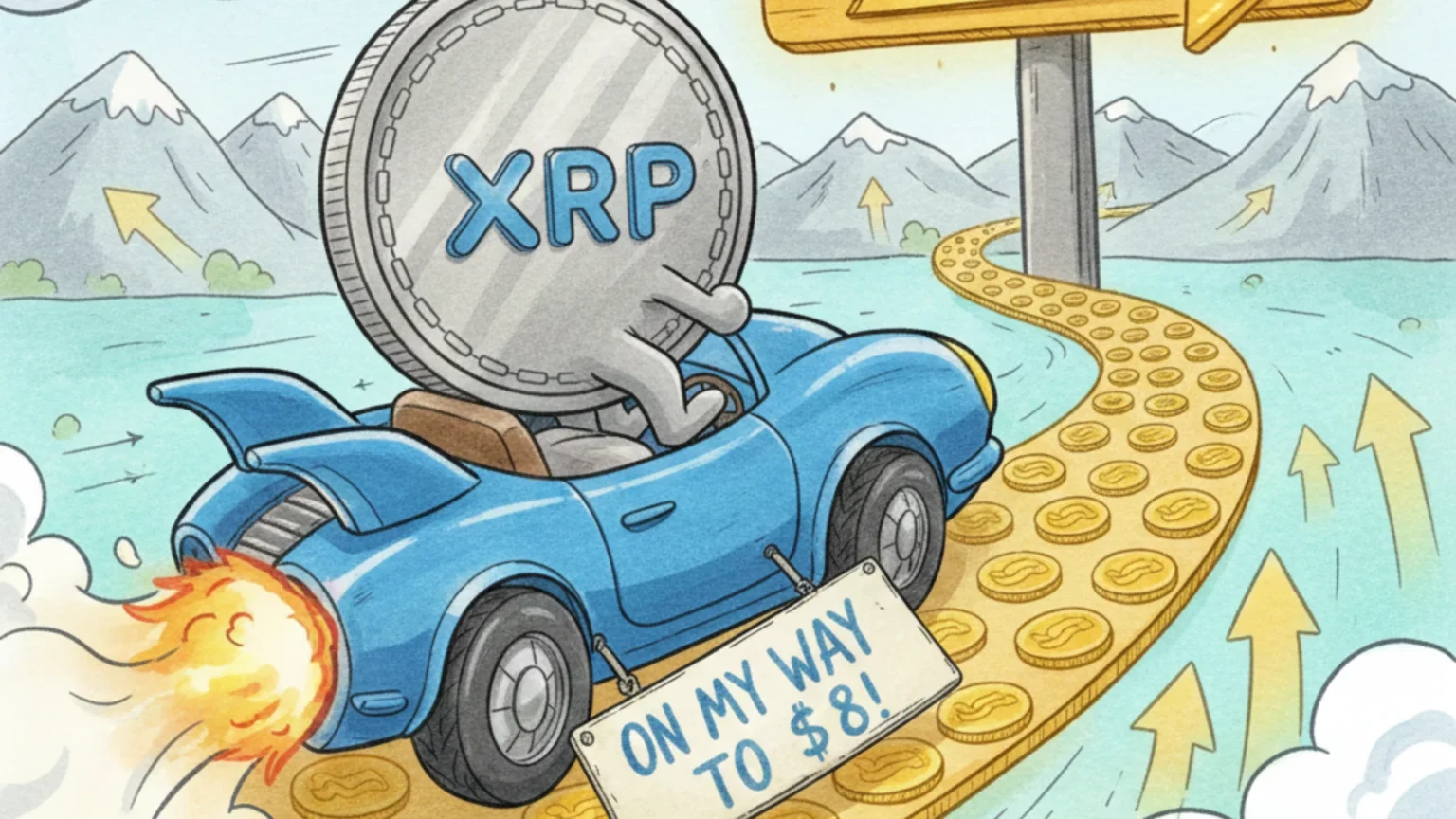
A recent projection suggesting that XRP could rise to Rs. 8 by 2026 has reignited debate across financial and crypto circles. The forecast, attributed to a major global banking institution, rests on expectations of regulatory clarity, growing institutional adoption, and XRP’s potential role in cross-border payments. While supporters argue that structural shifts in global finance could significantly revalue the asset, skeptics warn that market volatility and legal uncertainty remain key obstacles. This analysis explores the assumptions behind the prediction, the fundamentals supporting XRP’s long-term outlook, and the risks that could derail such an ambitious target.
The Forecast That Sparked Market Debate
A leading international bank has projected that XRP could reach Rs. 8 by 2026, a claim that has drawn sharp attention from investors and analysts alike. The projection implies a substantial increase from current levels and assumes a favorable convergence of regulatory, technological, and macroeconomic factors.
Such long-range price targets are not uncommon in emerging asset classes, but they tend to amplify scrutiny given the crypto market’s history of sharp cycles and sentiment-driven swings.
Why XRP Is Central to the Argument
XRP’s proponents point to its design as a payments-focused digital asset. Unlike many cryptocurrencies positioned primarily as speculative instruments, XRP was built to facilitate fast and low-cost cross-border transactions. Supporters argue that this utility gives it a clearer path to real-world adoption, particularly among financial institutions seeking alternatives to legacy settlement systems.
If adoption accelerates at scale, analysts say transaction demand could materially strengthen XRP’s valuation over time.
Regulatory Clarity as a Potential Catalyst
One of the core assumptions behind the Rs. 8 projection is the prospect of greater regulatory certainty. Ongoing legal and policy developments are expected to shape how XRP is classified and used across major markets.
A clearer framework could reduce institutional hesitation, unlock new partnerships, and broaden access through regulated platforms. Conversely, unfavorable rulings or fragmented regulation could limit upside and reinforce volatility.
Institutional Adoption and Market Structure
Institutional participation is another pillar of the bullish case. Large banks and payment providers are increasingly experimenting with blockchain-based settlement solutions. If XRP becomes embedded within these systems, demand could shift from speculative trading toward functional usage.
However, competition remains intense, with rival blockchain networks and emerging central bank digital currencies also vying for relevance in cross-border finance.
Risks That Could Restrain the Upside
Despite the optimistic outlook, risks remain significant. Crypto markets are highly sensitive to global liquidity conditions, regulatory shocks, and technological disruptions. XRP’s price history reflects periods of rapid appreciation followed by prolonged drawdowns.
Moreover, adoption timelines often move slower than forecasts suggest, and investor expectations can overshoot practical implementation.
A Bold Target, Not a Certainty
The idea of XRP reaching Rs. 8 by 2026 is neither impossible nor guaranteed. It represents a scenario in which regulatory clarity, institutional uptake, and broader market momentum align favorably. For investors, the forecast serves less as a promise and more as a framework for evaluating risk, opportunity, and long-term conviction in a rapidly evolving digital asset landscape.
About Author

