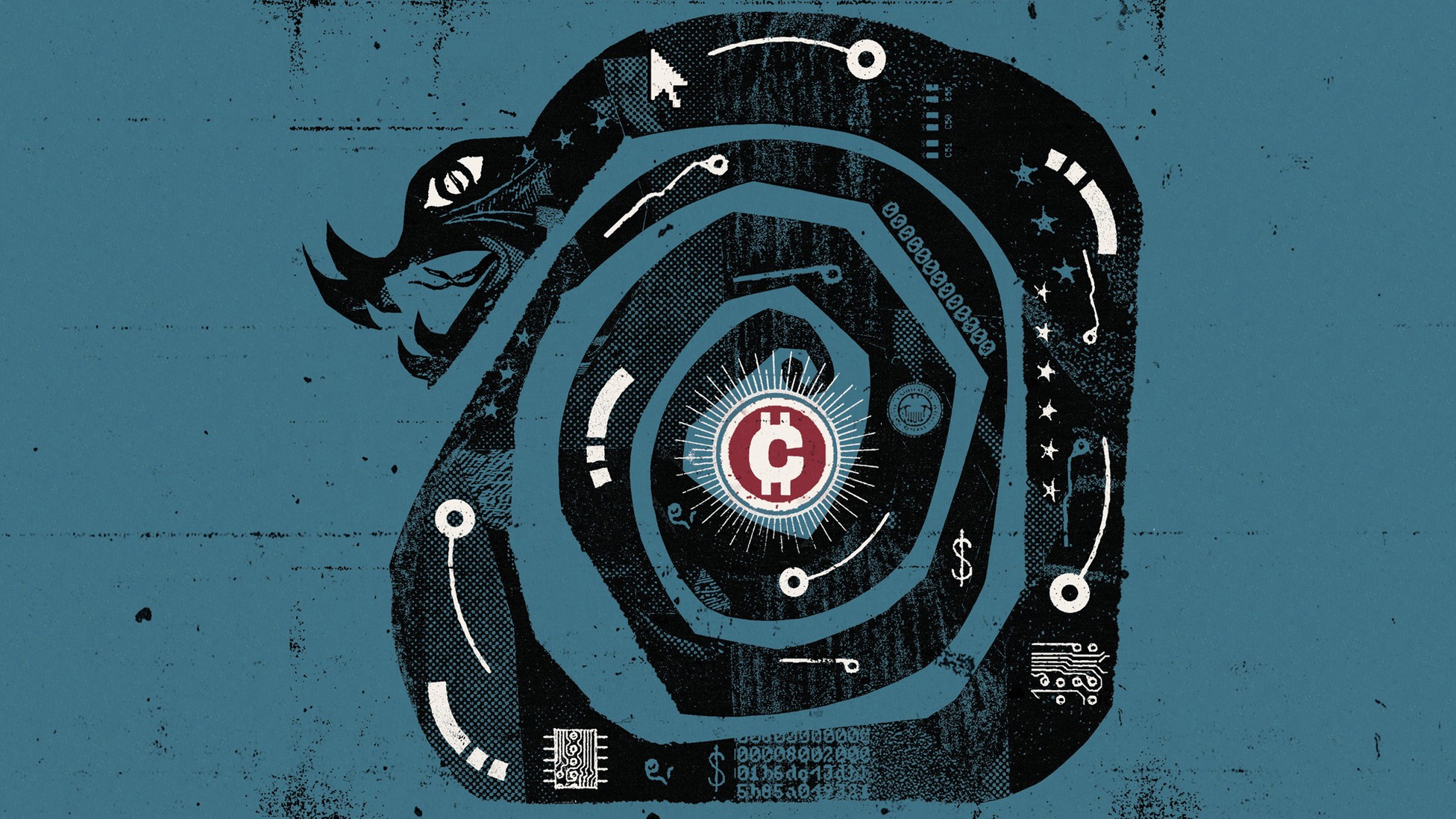
Cryptocurrencies, once hailed as instruments of financial innovation and decentralization, are increasingly under scrutiny for their role in facilitating political corruption. Their pseudonymous nature, borderless transferability, and limited regulatory oversight have made digital assets attractive tools for illicit political financing, bribery, and influence peddling. From covert campaign funding to cross-border kickbacks, crypto-based transactions can obscure money trails that traditional banking systems would flag. As governments worldwide struggle to modernize oversight frameworks, the misuse of crypto poses significant risks to democratic accountability, institutional integrity, and public trust, raising urgent questions about governance in the digital age.
The Appeal of Crypto in Political Misconduct
Digital currencies offer speed, anonymity, and global reach—features that can be exploited by corrupt political actors. Unlike conventional financial channels, crypto transactions often bypass intermediaries such as banks, reducing scrutiny and reporting requirements. This makes cryptocurrencies particularly appealing for individuals seeking to move funds discreetly, evade disclosure laws, or conceal the origins of politically sensitive payments.
Covert Campaign Financing and Influence Buying
One of the most concerning applications of crypto in politics is undisclosed campaign financing. Digital wallets can receive contributions from anonymous or foreign sources, complicating enforcement of election funding rules. In some cases, political intermediaries have allegedly used crypto to channel funds toward candidates or parties while avoiding statutory limits and transparency obligations, undermining the fairness of electoral processes.
Cross-Border Bribery and Kickbacks
Cryptocurrencies have also emerged as tools for cross-border corruption. Officials accused of accepting bribes may receive payments in digital assets that are easily transferred across jurisdictions without triggering regulatory alarms. Once received, these funds can be laundered through decentralized platforms or converted into fiat currency, leaving investigators with fragmented or obscured transaction trails.
Weak Oversight and Regulatory Gaps
The rapid growth of the crypto ecosystem has outpaced regulatory capacity in many countries. Inconsistent global standards, limited enforcement resources, and technical complexity have created gaps that corrupt actors can exploit. While some jurisdictions have introduced stricter know-your-customer and anti-money laundering rules, enforcement remains uneven, especially in politically sensitive cases.
Implications for Governance and Public Trust
The misuse of crypto for political corruption threatens democratic institutions by eroding transparency and accountability. When financial misconduct becomes harder to detect, public confidence in governance weakens. Addressing this challenge will require coordinated global regulation, enhanced investigative capabilities, and greater transparency within the digital asset ecosystem to ensure that innovation does not come at the cost of democratic integrity.
If you want, I can also tighten this into a sharper, newsroom-style version or add India-specific political and regulatory context while keeping it completely original and human-written.
About Author
