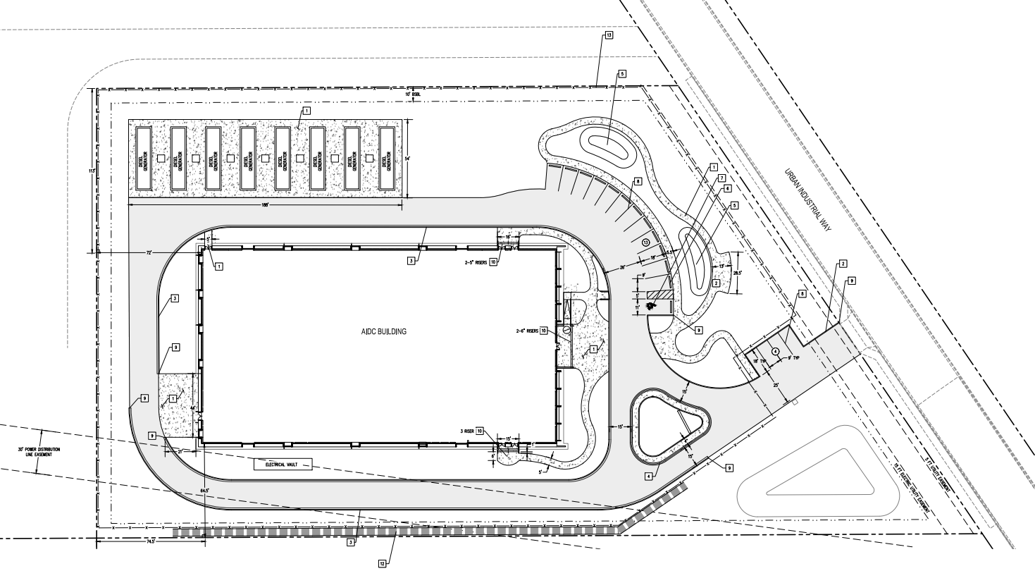
A prominent cryptocurrency infrastructure company has filed plans to establish an artificial intelligence (AI) computing facility near Pangborn, Washington, reflecting a broader industry shift toward high‑performance computing (HPC) and AI workloads. The proposed development would leverage existing data centre assets, including inexpensive electricity and established grid connections, to support energy‑intensive AI applications. This move underscores digital infrastructure firms’ efforts to diversify beyond traditional blockchain mining as profitability pressures and market demand evolve. Industry observers view the initiative as part of a larger trend in which former crypto‑centric sites are reconfigured to serve AI and cloud computing markets, potentially boosting local economic activity and technological relevance.
Background: From Crypto Mining to AI Infrastructure
Central Washington has long attracted digital infrastructure investments due to its abundant hydroelectric power, which historically drew cryptocurrency miners seeking low‑cost energy for server operations. Over time, multiple operators developed data centre campuses in the region capable of supporting thousands of servers. These facilities have become attractive candidates for repurposing or expanding into high‑performance and AI computing due to their existing power infrastructure and cooling capabilities.
The Proposed AI Facility Near Pangborn
The company behind the application plans to convert or build out part of its data infrastructure near Pangborn to host AI workloads. This type of facility is designed to support advanced computing tasks that require significant processing power — particularly those involving machine learning training and inference — which is markedly different from the repetitive algorithm calculations typical of cryptocurrency mining. The applicant seeks local planning approval and environmental clearance as part of the initial steps in the project review process.
While specific project specifications have not been publicly detailed, the focus on AI and HPC reflects commercial demand for specialised computing capacity capable of handling next‑generation workloads.
Strategic Drivers: Profitability and Market Demand
The pivot toward AI computing aligns with a broader trend in the digital infrastructure industry. Firms that historically relied on revenue from blockchain mining are increasingly exploring or actively transitioning existing assets toward AI and HPC workloads. This trend is driven by several factors:
Economics of Mining: Traditional cryptocurrency mining profitability can be highly cyclical and dependent on asset prices, network difficulty, and energy costs.
AI Demand Growth: The rise of generative AI and large language models has propelled demand for specialised data centre infrastructure, with many companies willing to pay premiums for GPU‑dense computing capacity.
Asset Utilisation: Data centres originally built for crypto operations already feature robust power feeds and cooling systems, making them suitable for repurposing to host AI workloads with comparatively modest additional capital investment.
Local and Regional Economic Considerations
If approved, the proposed AI facility could bring notable economic benefits to the Pangborn area. Construction activity typically generates temporary employment, and long‑term operations may support specialised technical jobs and service contracts. Moreover, increased utilisation of existing electrical and fibre infrastructure could enhance the attractiveness of the region to other high‑tech investments.
However, community stakeholders and local authorities often weigh such proposals against potential challenges, including increased power demand, land‑use concerns, and broader infrastructure impacts. Experience from other rural and semi‑rural communities demonstrates that transparent planning and public engagement are crucial to aligning economic ambitions with residents’ quality‑of‑life considerations.
Broader Industry Context: Crypto Meets AI
The Pangborn initiative reflects a widespread reorientation within the digital infrastructure sector. Companies like Bitfarms are already converting Bitcoin mining sites in Washington to support HPC and AI workloads, with projects targeting completion in 2026 and backed by substantial investment agreements for specialised hardware and cooling systems.
This strategic realignment highlights how crypto‑origin infrastructure can adapt to the growing computing needs of AI, cloud and enterprise markets. As demand for machine intelligence expands, so too does competition among data centre operators to secure capacity hosting deals and long‑term contracts with major technology firms.
Conclusion: A Strategic Evolution for Digital Infrastructure
The application to develop an AI computing facility near Pangborn illustrates the evolving priorities of digital infrastructure companies navigating a changing market landscape. By building on existing power and data assets, the industry aims to capture new revenue streams tied to AI and HPC demand, while potentially enhancing regional economic prospects. For local officials and investors alike, the success of such projects will hinge on effective planning, community collaboration, and alignment with broader technological trends shaping the future of computing.
About Author