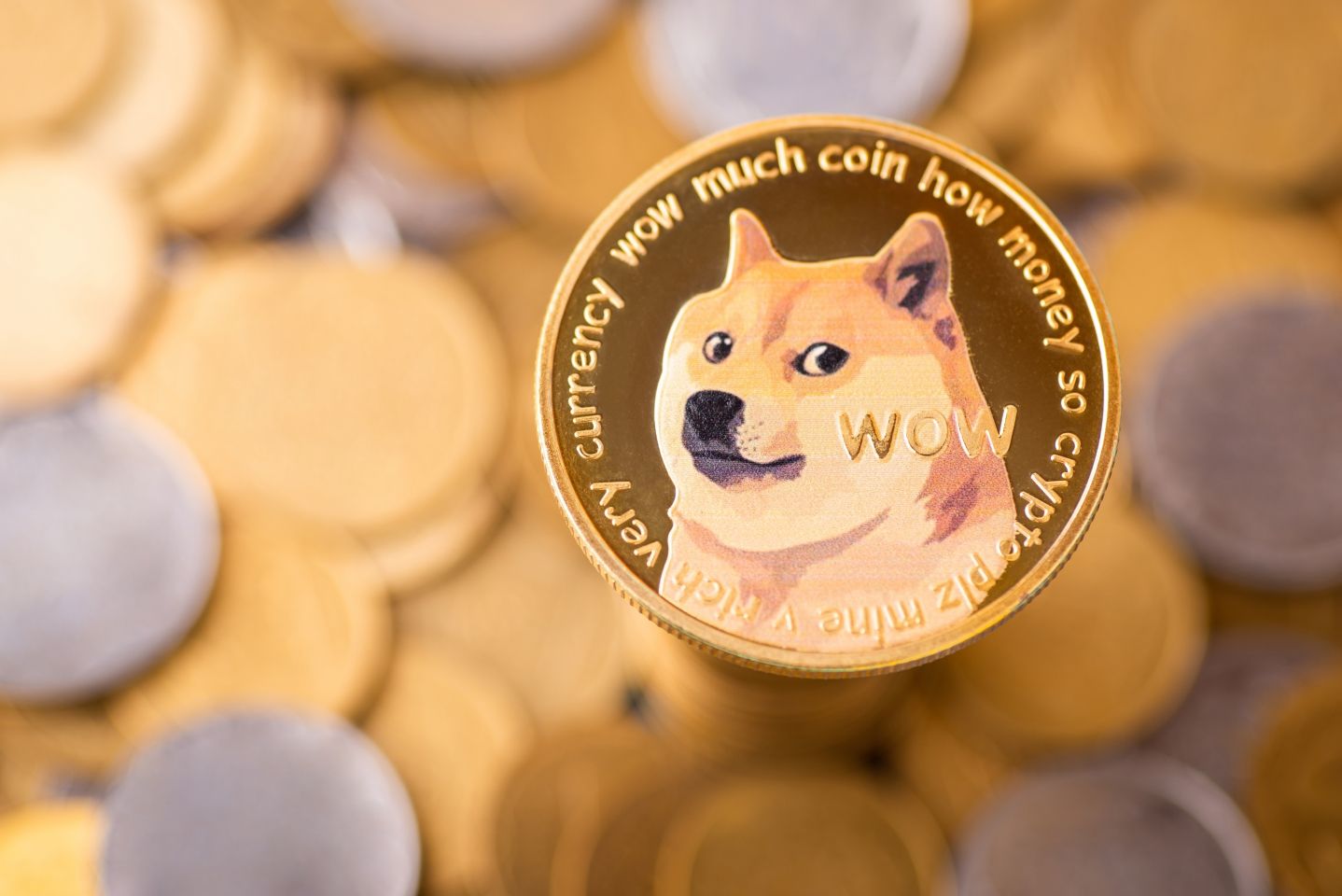
Dogecoin, a cryptocurrency born as an internet meme, has steadily evolved into a mainstream digital asset attracting renewed investor attention. Its growing appeal stems from heightened retail participation, increased merchant adoption, and periodic endorsements from influential industry figures. While analysts caution that Dogecoin remains highly volatile, supporters argue that its low transaction costs, vibrant community, and integration into emerging digital-payment ecosystems make it a compelling speculative asset. As broader market optimism lifts alternative cryptocurrencies, Dogecoin’s unique blend of cultural relevance and expanding utility continues to spark debate among traders seeking high-risk, high-reward opportunities.
The Rise of a Meme Coin Turned Market Contender
Dogecoin entered the digital currency universe as a humorous alternative to Bitcoin, yet its trajectory has defied expectations. Originally designed for lighthearted tipping online, the token quickly gained a global following. Its ascent has been propelled by viral culture, social media enthusiasm, and repeated mentions from high-profile entrepreneurs, all of which helped position Dogecoin as more than a passing fad.
Today, Dogecoin is among the top-capitalized cryptocurrencies, reflecting a blend of novelty appeal and growing investor conviction. Its price movements often mirror broader market sentiments, making it a barometer for risk appetite among retail traders.
Retail Momentum and the Psychology Behind the Trade
A major driver of Dogecoin’s investment surge is the psychology of retail speculation. Traders are drawn to the coin’s low per-unit price, which creates the impression of accessibility and growth potential. For many new investors, owning thousands of tokens feels more compelling than holding fractions of other established cryptocurrencies.
This emotional resonance—combined with a strong digital community—has helped Dogecoin maintain high levels of engagement during both bullish and bearish cycles. Such momentum has helped it remain relevant in a rapidly expanding digital-asset ecosystem.
Growing Utility and Merchant Adoption
Although Dogecoin lacks the technical sophistication of newer blockchain projects, its expansion into digital commerce has enhanced its credibility. Several merchants now accept Dogecoin for online purchases, leveraging its fast confirmation times and low transaction fees. This practical utility strengthens its case as a payment-friendly cryptocurrency.
In parallel, discussions about integrating Dogecoin into larger payment networks have amplified investor interest. Supporters argue that as more platforms and service providers accept DOGE, its stability and long-term potential will grow.
Risks and Volatility Remain Central Considerations
Despite rising adoption, Dogecoin remains a high-risk asset. Its price is heavily influenced by sentiment-driven trading, social-media trends, and speculative impulses. Unlike Bitcoin, which has positioned itself as a store of value, Dogecoin’s supply is unlimited, meaning inflationary pressures can dilute long-term appreciation.
Financial analysts warn that traders should evaluate Dogecoin within a diversified portfolio and remain cautious during periods of heightened volatility. Its rapid price swings can deliver outsized gains—but also substantial losses.
A Speculative Asset With Enduring Cultural Power
Dogecoin’s journey from an online joke to a globally recognized cryptocurrency reflects the power of digital communities in shaping financial trends. While it is not universally regarded as a fundamental investment, the token has carved out a distinct place in the market as a speculative asset with cultural momentum and growing utility.
For investors willing to embrace volatility, Dogecoin offers a unique entry point into the broader cryptocurrency landscape. Its future performance will depend on continued adoption, technological enhancements, and the broader market’s appetite for risk.
About Author
