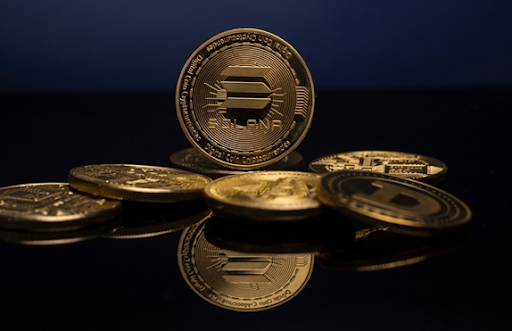
Two developments across South and Southeast Asia illustrate the widening influence of cryptocurrency on both national policy and law enforcement. Bhutan has announced plans to invest roughly Rs.83 billion from its national cryptocurrency reserves to build a flagship “Mindfulness City,” aiming to address unemployment and attract foreign capital. At the same time, authorities in India have intensified scrutiny of crypto misuse, with police in Pune uncovering a drug trafficking operation valued at Rs.3.45 crore linked to the dark web and digital currencies. Together, the cases underscore crypto’s dual role as an economic tool and a regulatory challenge.
Bhutan’s Strategic Bet on Crypto-Funded Development
Bhutan confirmed it will allocate about $1 billion, or approximately Rs.83 billion, from its national cryptocurrency reserves to develop the Gelephu Mindfulness City, a planned economic hub near the Indian border. The project is envisioned as a special economic zone designed to attract foreign investment, create employment, and diversify the country’s narrow economic base.
For a nation long associated with prioritizing Gross National Happiness over conventional growth metrics, the move signals a pragmatic shift toward leveraging financial innovation to address structural economic challenges.
Balancing Philosophy With Employment Pressures
Despite its global reputation for well-being-focused governance, Bhutan has struggled with rising unemployment and outward migration, particularly among younger citizens. Limited domestic opportunities have pushed thousands to seek work abroad, straining the country’s long-term human capital.
Officials view the Mindfulness City as a corrective measure—one that blends sustainable urban planning, wellness-driven industries, and international business activity to generate high-quality jobs without abandoning cultural values.
Hydropower: The Engine Behind Bhutan’s Crypto Reserves
Bhutan’s ability to accumulate cryptocurrency is closely tied to its energy strategy. As a carbon-negative country, it has invested heavily in hydropower, exporting surplus electricity to India and generating significant state revenue.
Low-cost renewable power has also been used domestically to mine cryptocurrency, particularly bitcoin. Those digital assets have now become a funding source for national development, transforming energy exports into long-term infrastructure investment.
Crypto’s Darker Side: Pune Drug Bust Highlights Risks
While Bhutan showcases crypto’s potential as a development asset, events in India underline its vulnerabilities. Pune police recently dismantled a drug trafficking network operating through the dark web, seizing narcotics valued at Rs.3.45 crore.
Investigators said cryptocurrency was used to facilitate payments and obscure transaction trails, complicating enforcement efforts. The case reflects a broader trend in which illicit markets exploit digital currencies for anonymity and cross-border reach.
Law Enforcement Adapts to Digital Crime
Authorities involved in the Pune operation combined traditional policing with cyber forensics to trace transactions and identify suspects. While blockchain records are transparent, linking digital wallets to real individuals remains resource-intensive and technically demanding.
The bust highlights the growing need for specialized training, regulatory coordination, and updated legal frameworks as crypto-related crimes intersect with narcotics trafficking and organized networks.
A Technology at Two Extremes
Together, the Bhutan and Pune cases illustrate the dual nature of cryptocurrency adoption in Asia. On one end, sovereign actors are exploring how digital assets can support sustainable growth and national development. On the other, criminals continue to exploit the same technology to evade detection.
For policymakers, the challenge lies in encouraging productive uses of crypto while strengthening oversight to curb abuse.
Conclusion
Cryptocurrency’s expanding footprint is reshaping both economic strategy and criminal enforcement across the region. Bhutan’s Rs.83 billion investment into a future-focused economic hub reflects growing confidence in state-managed digital assets. Meanwhile, the Rs.3.45 crore drug bust in Pune serves as a reminder that innovation brings risk alongside opportunity. As crypto becomes more embedded in financial systems, its impact—constructive or destructive—will increasingly depend on governance, regulation, and institutional capacity.
About Author
