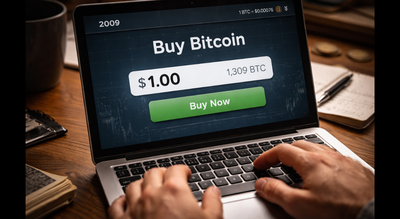
Cryptocurrency exchanges remain the backbone of the digital asset ecosystem, facilitating trillions of dollars in annual trading activity across retail and institutional segments. As market volatility moderates and regulatory oversight intensifies, leading platforms are recalibrating business models to prioritize compliance, product diversification and capital efficiency. Major exchanges such as Binance, Coinbase, Kraken and KuCoin continue to dominate global volumes, while regional players strengthen localized offerings. Competitive pressures, cybersecurity imperatives and shifting investor behavior are redefining operational strategies in a maturing digital finance landscape.
The Central Role of Crypto Exchanges
Cryptocurrency exchanges function as liquidity hubs within the digital asset economy. They enable investors to buy, sell and store assets such as Bitcoin and Ethereum while offering derivative products, staking services and custodial solutions.
In recent years, exchanges have evolved beyond simple trading platforms. Many now operate as full-spectrum financial service providers, incorporating lending desks, token launch platforms and institutional custody infrastructure. This diversification reflects an industry seeking resilience against cyclical trading volumes.
Market Leaders and Global Footprint
Binance
Binance remains one of the largest cryptocurrency exchanges by trading volume. Its global reach, expansive token listings and derivatives market have cemented its influence across retail and professional traders. The platform’s scale enables competitive fee structures, though it continues to navigate complex regulatory landscapes across jurisdictions.
Coinbase
Coinbase, publicly listed in the United States, has positioned itself as a compliance-focused gateway for institutional and retail investors. Its emphasis on regulatory alignment and transparency has attracted asset managers and corporate treasuries seeking exposure to digital assets within structured risk frameworks.
Kraken
Kraken has built a reputation for security and advanced trading features. The exchange’s institutional offerings and derivatives products cater to sophisticated investors, while maintaining accessibility for retail participants.
KuCoin
KuCoin has gained traction among emerging market investors, offering a broad array of altcoin listings and competitive trading incentives. Its growth reflects increasing digital asset participation in Asia and other high-growth regions.
Revenue Models and Business Evolution
Historically, transaction fees constituted the primary revenue stream for crypto exchanges. However, declining volatility and tightening spreads have compressed margins. Leading platforms now emphasize subscription services, staking rewards, custody solutions and institutional trading infrastructure.
The shift toward recurring revenue streams aims to mitigate the cyclical dependence on speculative activity. Exchanges are also investing heavily in blockchain analytics, risk monitoring systems and regulatory compliance technology.
Regulatory Landscape and Compliance
Regulatory scrutiny has intensified globally as governments seek to protect investors and prevent illicit financial activity. Exchanges must adhere to anti-money laundering protocols, know-your-customer standards and reporting requirements comparable to traditional financial institutions.
Compliance investments, while costly, are increasingly viewed as essential to long-term credibility. Platforms that successfully integrate governance frameworks may secure competitive advantages in institutional capital flows.
Security and Operational Risks
Cybersecurity remains a defining risk factor. Exchanges allocate substantial capital toward encryption systems, cold storage custody and real-time monitoring tools to safeguard client assets. High-profile breaches in earlier industry cycles have reshaped investor expectations around transparency and operational integrity.
Maintaining user trust has become as critical as market liquidity.
Competitive Dynamics and Future Outlook
The cryptocurrency exchange market is entering a consolidation phase. Smaller platforms face margin pressure and regulatory burdens that favor well-capitalized incumbents. At the same time, innovation continues in areas such as decentralized trading protocols and blockchain interoperability.
The long-term trajectory will likely depend on regulatory harmonization, institutional adoption and macroeconomic conditions influencing risk appetite. Exchanges capable of balancing growth with disciplined governance are poised to lead the next phase of digital finance expansion.
Conclusion
Popular cryptocurrency exchanges operate at the intersection of technology, finance and regulation. As trading activity stabilizes following periods of heightened volatility, industry leaders are adapting through diversification, compliance enhancement and technological innovation.
About Author
