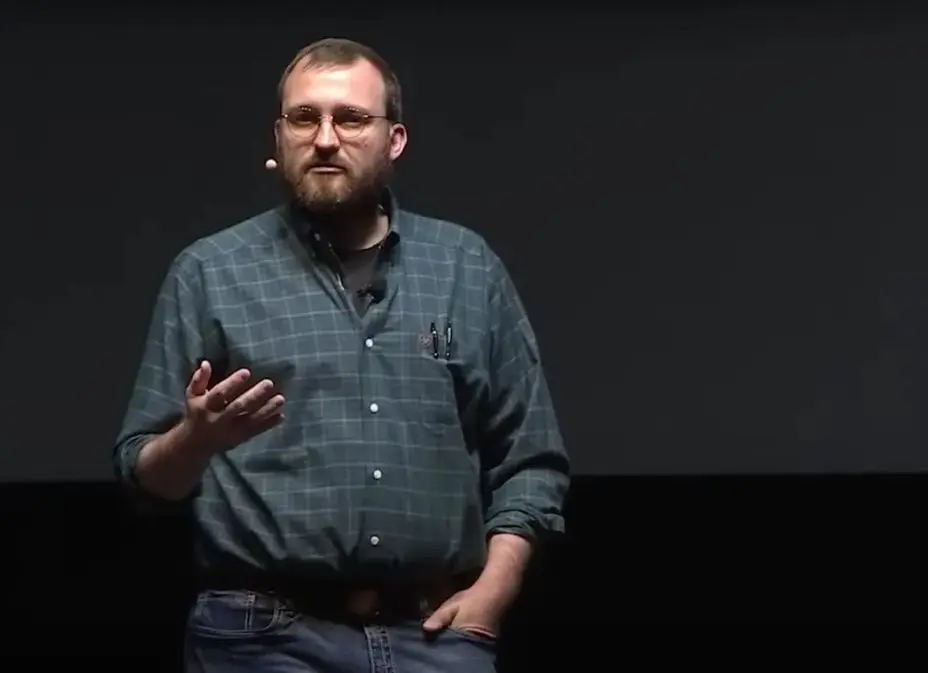
A fresh debate has emerged in crypto markets after Cardano founder Charles Hoskinson stated that the NIGHT token has recently recorded higher trading activity than both XRP and Solana combined. The remark has drawn attention to shifting liquidity patterns within the digital asset space, where newer or utility-linked tokens can briefly eclipse established networks in volume. Analysts say the claim, while striking, reflects broader market dynamics marked by speculation, short-term momentum, and fragmented liquidity. The development underscores how rapidly trading interest can rotate in crypto markets, challenging assumptions about dominance and highlighting the growing influence of niche tokens.
Hoskinson’s Statement Sparks Market Attention
Charles Hoskinson’s assertion that NIGHT has outtraded XRP and Solana combined has resonated across the crypto community. Coming from a prominent industry figure, the comment has amplified scrutiny of trading volumes and investor behavior. While XRP and Solana remain among the most recognized blockchain assets by market capitalization and adoption, Hoskinson’s statement points to a temporary but notable surge in activity surrounding NIGHT.
Such remarks often act as catalysts, drawing fresh attention to emerging tokens and reigniting debates about what trading volume truly represents.
Understanding the Trading Volume Surge
Trading volume reflects how frequently an asset changes hands, not necessarily its long-term value or adoption. Analysts note that spikes are often driven by short-term catalysts such as token launches, new utility announcements, or speculative positioning. In NIGHT’s case, heightened activity may be linked to concentrated trading windows, limited supply dynamics, or aggressive market participation by early adopters.
By contrast, established tokens like XRP and Solana tend to show steadier, more distributed trading patterns across multiple markets and use cases.
Context Matters More Than Comparisons
Market observers caution against interpreting volume comparisons in isolation. While outperforming larger assets in trading activity is noteworthy, it does not automatically translate into superior fundamentals or durability. XRP and Solana support extensive ecosystems, enterprise partnerships, and real-world applications that extend beyond short-term trading metrics.
NIGHT’s surge, therefore, may reflect momentum rather than maturity—a distinction that experienced investors closely monitor.
What This Says About Crypto Market Behavior
The episode highlights a defining trait of crypto markets: rapid capital rotation. Liquidity can shift quickly toward assets perceived to offer immediate opportunity, often amplified by influential voices and social momentum. This environment rewards speed and narrative but also increases volatility.
For traders, such conditions create opportunities. For long-term investors, they reinforce the need to separate temporary enthusiasm from sustainable value creation.
A Reminder of Crypto’s Fluid Hierarchy
Hoskinson’s comment serves as a reminder that hierarchy in digital assets is fluid, not fixed. While established networks maintain structural advantages, emerging tokens can command attention and liquidity under the right conditions.
Ultimately, trading volume is a snapshot, not a verdict. As markets evolve, sustained relevance will continue to depend less on momentary dominance and more on resilience, utility, and execution over time.
About Author