Crypto mining has transformed into a capital-intensive global infrastructure business shaped by energy pricing, regulatory frameworks and market volatility. Once dominated by hobbyists, Bitcoin mining now demands industrial-scale investment in hardware, power contracts and cooling systems. Profitability hinges on electricity tariffs, mining difficulty adjustments and digital asset prices. Governments are tightening oversight amid environmental concerns, while institutional miners consolidate operations to maintain margins. In emerging markets, rising power costs and taxation policies are reshaping financial viability. This article analyzes mining cost structures, capital expenditure cycles, regulatory risks and the long-term sustainability of crypto mining in an increasingly competitive global landscape.
The Transformation from Hobby to Heavy Industry
Cryptocurrency mining, particularly for Bitcoin, has evolved far beyond its early decentralized roots. What began as a computer-based experiment is now an industrialized sector requiring large-scale infrastructure investment.
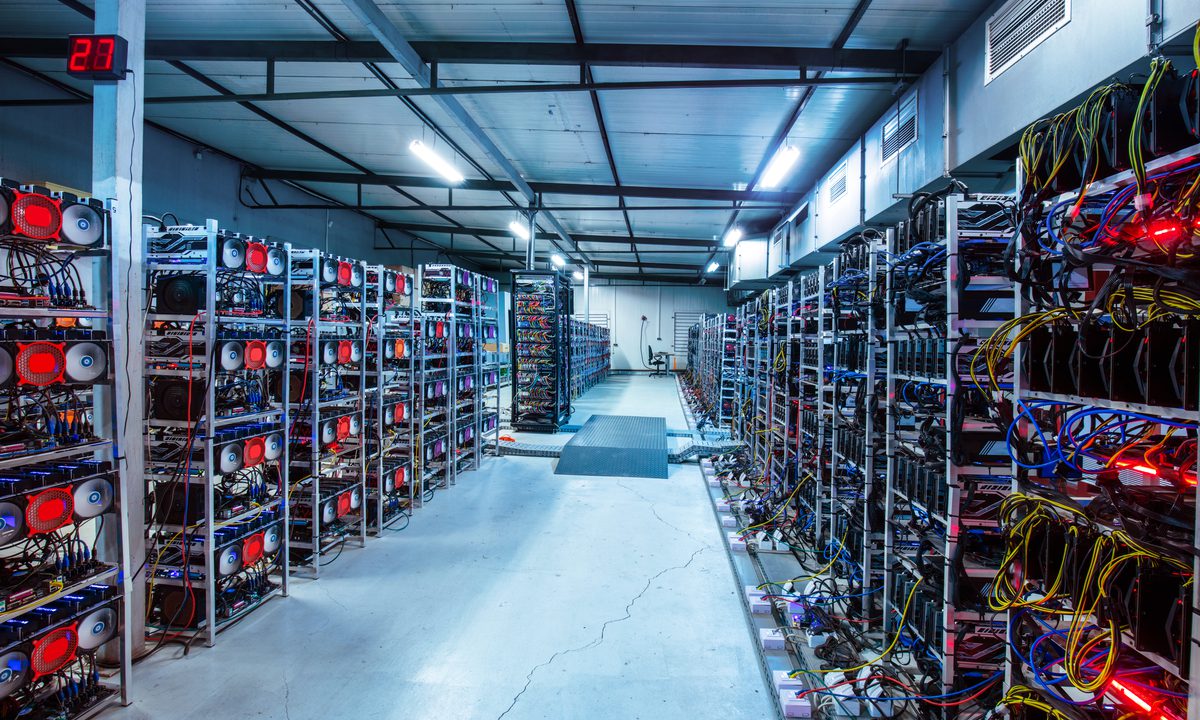
Modern mining operations resemble data centers more than technology startups. Warehouses equipped with high-performance ASIC machines operate around the clock, consuming vast amounts of electricity to validate blockchain transactions.
The economic model is straightforward in theory: miners earn block rewards and transaction fees. However, the complexity lies in cost management. Electricity accounts for 60–75% of total operating expenses, making geographic location a decisive factor in profitability.
Regions offering electricity below Rs. 5 per unit provide a competitive advantage. Conversely, in areas where tariffs exceed Rs. 8–10 per unit, operational sustainability becomes fragile unless Bitcoin trades at elevated price levels.
Capital Expenditure and Hardware Cycles
Mining profitability depends heavily on hardware efficiency. ASIC machines depreciate rapidly as new models improve hash rate performance while reducing energy consumption.
A single advanced mining unit can cost between Rs. 2 lakh and Rs. 3.5 lakh depending on specifications. Mid-sized operations deploying 5,000 units may invest over Rs. 100 crore in hardware alone.
These capital expenditures create a cyclical reinvestment requirement. When Bitcoin prices rise, miners expand aggressively. During downturns, overleveraged operators face liquidity stress.
The mining difficulty adjustment mechanism adds further pressure. As more miners join the network, computational complexity rises, reducing individual reward probability. This dynamic forces continuous efficiency upgrades.
Energy Economics and Environmental Pressure
Energy sourcing has become the central strategic variable in mining economics. Historically, operations concentrated in regions with surplus coal-based power or hydroelectric capacity.
However, global scrutiny regarding carbon emissions has intensified. Governments are increasingly evaluating mining’s environmental footprint. Some jurisdictions have introduced power caps, while others impose sustainability reporting requirements.
Renewable energy adoption offers both cost and reputational advantages. Solar-powered mining farms are gaining traction, particularly in regions with high sunlight exposure. Long-term power purchase agreements stabilize costs and mitigate volatility.
Still, renewable infrastructure requires upfront investment. Smaller miners struggle to finance such transitions, accelerating industry consolidation.
Regulatory Frameworks and Taxation
Regulatory clarity remains uneven across jurisdictions. Some governments view crypto mining as a technology growth opportunity, while others perceive systemic risk.
In India, while mining itself is not explicitly prohibited, taxation on digital asset gains significantly affects liquidity recycling. A 30% tax on profits reduces reinvestment capacity, indirectly influencing mining expansion.
Additionally, compliance obligations such as KYC for exchanges complicate offloading mined assets. Regulatory unpredictability increases operational risk premiums.
Countries offering clear licensing frameworks and moderate taxation are emerging as mining hubs.
Institutional Consolidation and Market Discipline
The mining industry is entering a consolidation phase. Institutional players with access to capital markets are acquiring distressed assets during market downturns.
Publicly listed mining companies hedge revenue through derivatives markets, stabilizing cash flows. Smaller operators lacking such tools are vulnerable to price volatility.
Debt financing has also become prevalent. During bull markets, miners often leverage assets to expand operations. When prices decline, debt servicing becomes burdensome.
This cyclical leverage amplifies both upside gains and downside risk.
Global Competitive Landscape
Mining geography has shifted repeatedly over the past decade. Regulatory bans and energy pricing changes have triggered mass relocations.
Countries with stable power grids, moderate climate conditions and predictable policy frameworks attract long-term investment.
Data center-style operations require advanced cooling systems. Colder climates reduce cooling expenditure, providing marginal cost advantages.
As mining difficulty increases globally, only the most efficient operators survive.
Risk Factors Facing the Industry
Key risks include:
Bitcoin price volatility
Rising electricity tariffs
Regulatory intervention
Hardware obsolescence
Geopolitical disruptions
Moreover, technological changes such as potential shifts in consensus mechanisms could alter mining economics fundamentally.
Long-Term Sustainability Outlook
Despite volatility, mining remains integral to the Bitcoin ecosystem. Network security depends on distributed computational power.
However, future growth will likely prioritize:
Renewable energy integration
Operational efficiency
Regulatory compliance
Capital discipline
Mining is no longer a speculative gamble; it is an energy arbitrage business intertwined with global financial markets.
Operators who manage cost structures prudently and adapt to regulatory developments will sustain profitability. Those relying on price speculation alone may struggle.
About Author

