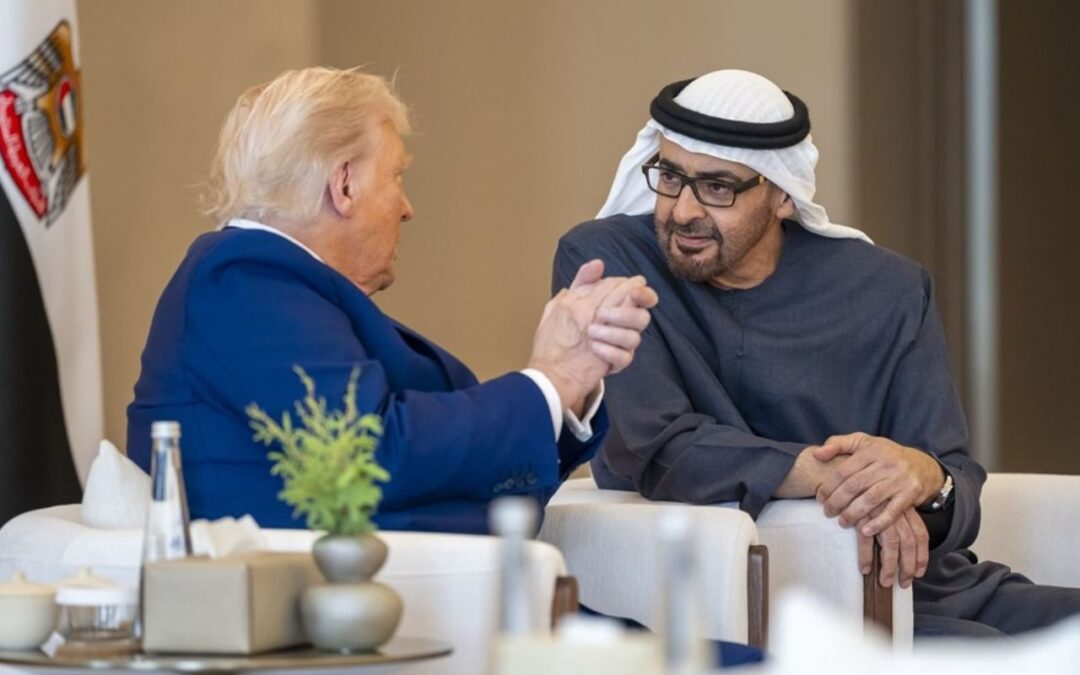
U.S. President Donald Trump has publicly denied any knowledge of a $500 million cryptocurrency investment reportedly involving his family and a prominent Abu Dhabi investor. The transaction, alleged to involve a significant stake in a digital asset venture, drew scrutiny due to its timing near Trump’s second inauguration in 2025 and its association with a foreign capital source. In a press briefing, the President emphasized he had no involvement in negotiating or approving the deal, attributing business decisions to family members. The president’s statement has sparked debate over transparency, foreign influence and ethical safeguards at the intersection of private wealth and public office.
Denial of Involvement Amid Growing Scrutiny
President Donald Trump addressed questions from reporters, asserting that he had no awareness or direct involvement in a high-profile $500 million cryptocurrency deal linked to his family’s business interests. Amid increasing media and political attention, the President stressed that the matter was managed independently by family members, and he was not consulted on any of the financial arrangements tied to the investment.
Trump’s response came as details of the transaction — involving investment from an Abu Dhabi-associated entity — circulated widely, raising concerns among lawmakers and ethics observers about the separation between personal wealth and presidential responsibilities.
Details of the Reported Transaction
According to multiple accounts, an Abu Dhabi-linked investor completed a substantial investment in a U.S. cryptocurrency company partially owned or co-founded by members of Trump’s family. The $500 million arrangement was said to involve a minority stake in the enterprise and was finalized shortly before Trump’s 2025 inauguration.
The involvement of a foreign source in a major financial transaction adjacent to presidential transition has attracted attention for both its scale and its timing, prompting questions about regulatory disclosure and potential implications for political accountability.
Ethical and Governance Implications
Even as the President disavows knowledge of the investment, the episode has triggered discussion among ethicists, legal scholars and political commentators about the governance challenges posed by private financial activities intersecting with public office.
Critics argue that substantial foreign investments involving family members of a sitting president necessitate heightened transparency to avoid perceived conflicts of interest. They emphasize that even absent direct involvement by the officeholder, the optics of such deals can erode public trust and call into question the adequacy of existing disclosure mechanisms.
Supporters of the President maintain that personal business dealings — when managed independently by family members — should be distinguished from official duties, a point Trump reiterated in his remarks.
Political Reactions and Legislative Concerns
Members of both major political parties have expressed varying degrees of concern regarding the reported investment, with some calling for additional oversight or clarification. Discussions in congressional committees have touched on whether existing ethics laws sufficiently address the complexities of modern financial instruments, including digital assets and international capital flows.
The situation has prompted renewed interest in strengthening transparency requirements for financial disclosures involving high-net-worth individuals in public life, particularly those with international business ties.
The Broader Context of Cryptocurrency and Public Office
The incident highlights broader questions about how emerging financial technologies — particularly cryptocurrencies and related investment vehicles — should be treated within ethical and regulatory frameworks governing public officials. As digital assets continue to grow in economic importance, policymakers face the challenge of balancing innovation with accountability.
Observers suggest that this case may prompt further examination of how digital asset investments are disclosed, monitored and regulated, especially when they involve individuals with connections to government leadership.
Conclusion
President Trump’s assertion that he was unaware of the $500 million cryptocurrency deal linked to his family underscores ongoing tensions between private business interests and public office responsibilities. While the President absolves himself of direct involvement, the controversy raises enduring questions about financial transparency, foreign influence and ethical standards at the highest levels of government. As the political and regulatory conversation evolves, the intersection of crypto finance and public accountability is likely to remain a focal point of debate in Washington and beyond.
About Author