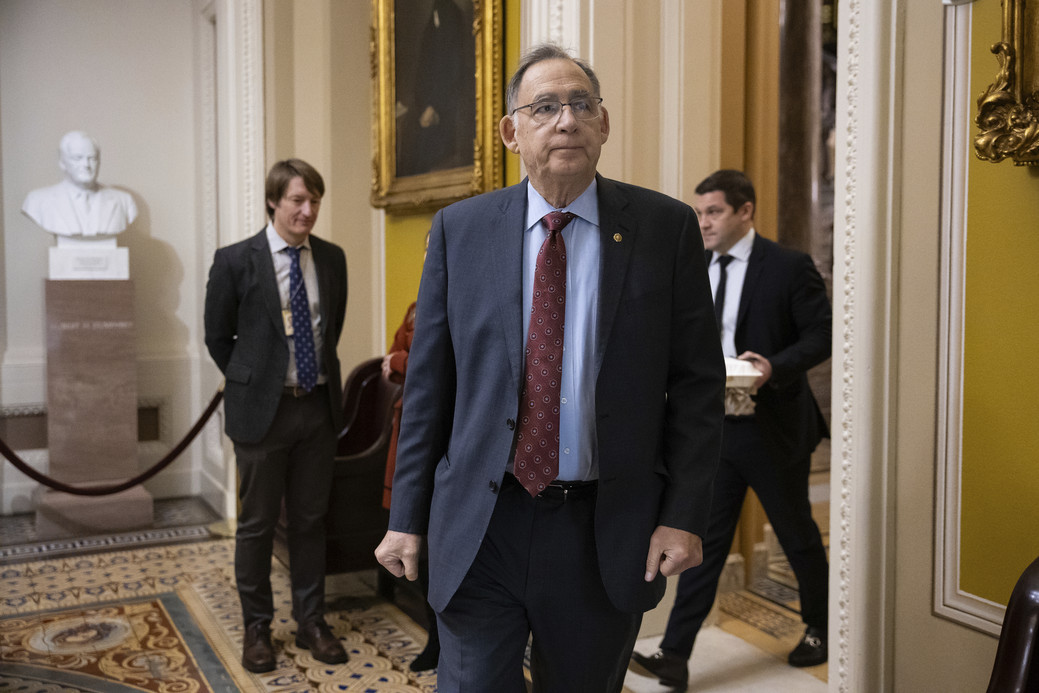
A key US lawmaker is considering postponing the markup of major cryptocurrency legislation as bipartisan discussions intensify, signaling a cautious yet constructive phase in digital asset policymaking. The potential delay reflects growing recognition that crypto regulation requires broad political consensus to be effective and durable. With both parties engaging more actively, lawmakers aim to refine provisions related to market oversight, consumer protection, and regulatory jurisdiction. The development suggests that, rather than rushing legislation, Congress is prioritizing clarity and balance, acknowledging the far-reaching implications of crypto rules for financial markets, innovation, and investor confidence.
Deliberation Takes Priority Over Speed
The possible delay in advancing crypto legislation underscores a shift in legislative strategy. Rather than pushing forward amid unresolved disagreements, lawmakers appear increasingly inclined to allow negotiations to mature. This approach reflects an understanding that poorly aligned regulation could create long-term market uncertainty.
By slowing the legislative timetable, policymakers aim to build a framework capable of withstanding political change and rapid technological evolution.
Bipartisan Talks Gain Traction
Recent discussions between lawmakers from both parties have reportedly made tangible progress. Areas of focus include regulatory clarity between financial watchdogs, safeguards for retail investors, and standards for digital asset platforms. The growing engagement suggests that crypto is no longer viewed as a fringe issue, but as a systemic financial concern requiring coordinated oversight.
Bipartisan momentum is widely seen as critical to ensuring that any eventual legislation carries institutional legitimacy.
Balancing Innovation and Oversight
Central to the debate is how to regulate crypto markets without undermining innovation. Lawmakers are weighing the need for compliance, transparency, and risk management against the potential for overregulation to stifle emerging technologies. Striking this balance remains one of the most complex aspects of the legislative process.
A delayed markup may allow lawmakers to refine definitions and thresholds that determine which assets and activities fall under regulatory supervision.
Market and Industry Implications
For the crypto industry, a temporary pause may introduce short-term uncertainty but could ultimately result in more predictable rules. Investors and firms generally favor well-defined regulations over abrupt or fragmented policy actions. Clearer legislation could improve market confidence and encourage responsible institutional participation. The decision to delay may therefore be viewed as a strategic investment in long-term stability rather than a legislative setback.
The Road Ahead for Crypto Policy
As bipartisan negotiations continue, attention will remain focused on whether consensus can translate into actionable legislation. The outcome will shape how digital assets are traded, governed, and integrated into the broader financial system.
The current pause signals a broader reality: crypto regulation is moving from political urgency to policy precision, with lawmakers increasingly aware that getting it right matters more than getting it done quickly.
About Author
