Federal Reserve’s Q1 2026 Outlook Could Reshape Bitcoin and Crypto Market Dynamics
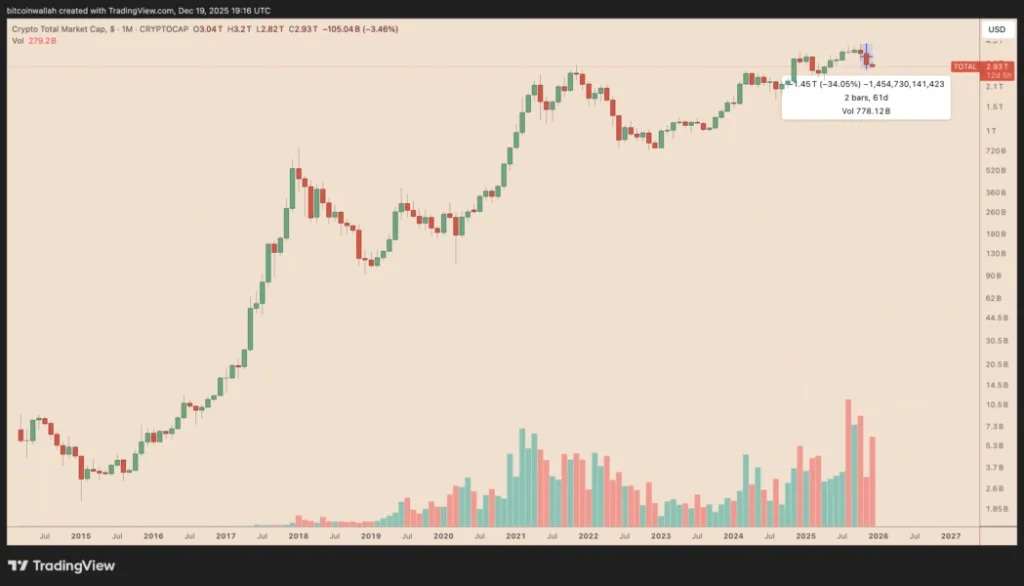
The U.S. Federal Reserve’s outlook for the first quarter of 2026 is emerging as a key variable for Bitcoin and the broader cryptocurrency market. Expectations around interest rates, liquidity conditions, and inflation management are influencing investor sentiment across digital assets. With monetary policy likely to remain data-dependent, crypto markets are preparing for a period of recalibration rather than speculative acceleration. Analysts suggest that the Fed’s stance could determine whether Bitcoin consolidates as a risk-sensitive asset or regains traction as an alternative store of value. The coming quarter may therefore prove decisive for crypto market direction and capital flows.
Monetary Policy Signals Under Close Watch
As the Federal Reserve outlines its economic priorities for early 2026, market participants are paying close attention to signals on interest rates and balance sheet policy. Even subtle changes in tone can have outsized effects on risk assets, including cryptocurrencies.
If the Fed maintains restrictive conditions to anchor inflation expectations, liquidity across financial markets may remain constrained. This environment historically limits speculative demand, placing downward pressure on volatile assets such as Bitcoin and smaller digital tokens.
Interest Rates and Liquidity Effects on Crypto
Interest rates remain the primary transmission channel between central bank policy and crypto valuations. Higher yields on government bonds and money market instruments reduce the relative attractiveness of non-yielding assets like Bitcoin.
Conversely, any indication of rate stabilization or gradual easing could improve liquidity conditions, encouraging capital to re-enter digital asset markets. Analysts caution, however, that such a shift is unlikely to trigger immediate rallies, given lingering concerns around leverage and market structure.
Bitcoin’s Evolving Market Role
Bitcoin’s sensitivity to macroeconomic conditions has increased as institutional participation has grown. Once viewed primarily as a hedge against monetary debasement, Bitcoin now often trades in correlation with technology equities during periods of tight policy.
The Fed’s Q1 2026 outlook may therefore influence whether Bitcoin behaves more like a high-risk growth asset or reasserts its narrative as a long-term store of value. This identity tension remains unresolved and is central to investor positioning.
Broader Implications for Crypto Markets
Beyond Bitcoin, the Fed’s policy direction will affect the wider crypto ecosystem, including decentralized finance platforms, stablecoins, and blockchain infrastructure projects. Tighter financial conditions could accelerate the market’s shift away from speculative tokens toward assets with clear utility and revenue models.
Stablecoins, in particular, may benefit from demand for low-volatility digital instruments, especially if regulatory clarity improves alongside monetary stability.
A Cautious Road Ahead
The Federal Reserve’s Q1 2026 outlook underscores the growing interdependence between traditional monetary policy and digital asset markets. While cryptocurrencies were once considered insulated from central bank decisions, that assumption no longer holds.
For investors, the message is one of caution and selectivity. The next phase of crypto market evolution is likely to be shaped less by hype and more by macroeconomic discipline, regulatory engagement, and sustainable financial use cases.
About Author