Inside India’s Crypto Compliance Playbook: How Exchanges Are Vetting Customers
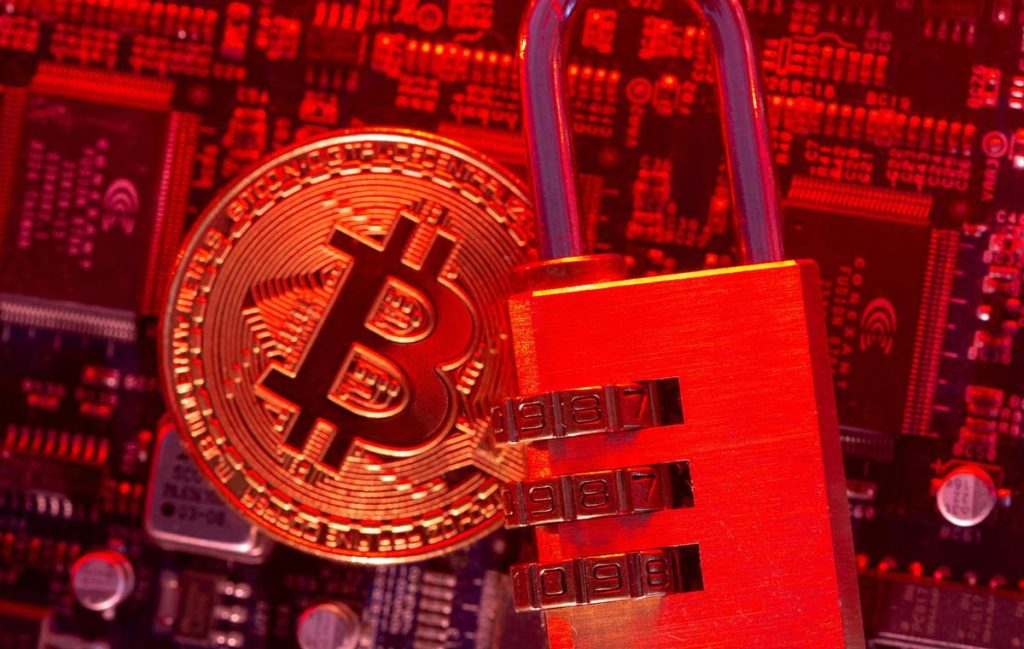
As cryptocurrency adoption expands in India, digital asset exchanges have significantly strengthened customer verification processes to meet regulatory expectations and curb financial misconduct. Indian platforms now rely on multilayered identity checks, transaction monitoring, and risk-based profiling to ensure compliance with anti-money laundering norms. These measures are designed to balance innovation with accountability while protecting users and the broader financial system. Although the absence of a dedicated crypto law continues to pose challenges, exchanges are aligning themselves with existing financial regulations. The result is a steadily evolving compliance ecosystem that mirrors traditional finance while adapting to the unique risks of digital assets.
The Regulatory Backdrop
India’s cryptocurrency exchanges operate in a complex regulatory environment shaped by tax rules, financial surveillance laws, and global compliance standards. While digital assets are not illegal, authorities expect exchanges to follow stringent norms similar to those applied to banks and other financial institutions. This has pushed platforms to prioritize customer due diligence as a core operational function rather than a formality.
Know Your Customer at the Core
Customer vetting begins with robust Know Your Customer procedures. Exchanges typically require users to submit government-issued identity documents, such as PAN and Aadhaar, along with proof of address. Biometric verification, selfie-based authentication, and real-time checks are increasingly used to prevent impersonation and identity fraud. Accounts are activated only after multiple layers of validation are completed.
Ongoing Monitoring and Risk Profiling
Verification does not end at onboarding. Exchanges continuously monitor trading activity to detect unusual patterns, large-value transfers, or behavior linked to high-risk jurisdictions. Advanced analytics help flag suspicious transactions, which may then be reported to relevant authorities under existing financial intelligence obligations. Users are often categorized by risk level, with enhanced scrutiny applied to higher-risk accounts.
Alignment With Global Standards
Many Indian crypto platforms voluntarily align with international compliance benchmarks to maintain credibility and attract institutional participation. This includes adherence to anti-money laundering frameworks and counter-terror financing principles commonly followed across global financial markets. Such alignment helps exchanges future-proof their operations against potential regulatory changes.
Balancing User Experience and Compliance
A key challenge for exchanges is maintaining a smooth user experience while enforcing strict checks. Platforms are investing in automation and artificial intelligence to streamline verification without compromising security. The goal is to reduce friction for legitimate users while ensuring that bad actors are kept out of the system.
The Road Ahead
As regulatory clarity gradually improves, customer vetting practices are expected to become even more standardized. Industry experts believe that strong compliance frameworks will ultimately strengthen trust in India’s crypto ecosystem. For exchanges, effective vetting is no longer just about meeting rules—it is central to long-term sustainability and credibility in a rapidly maturing digital asset market.
About Author