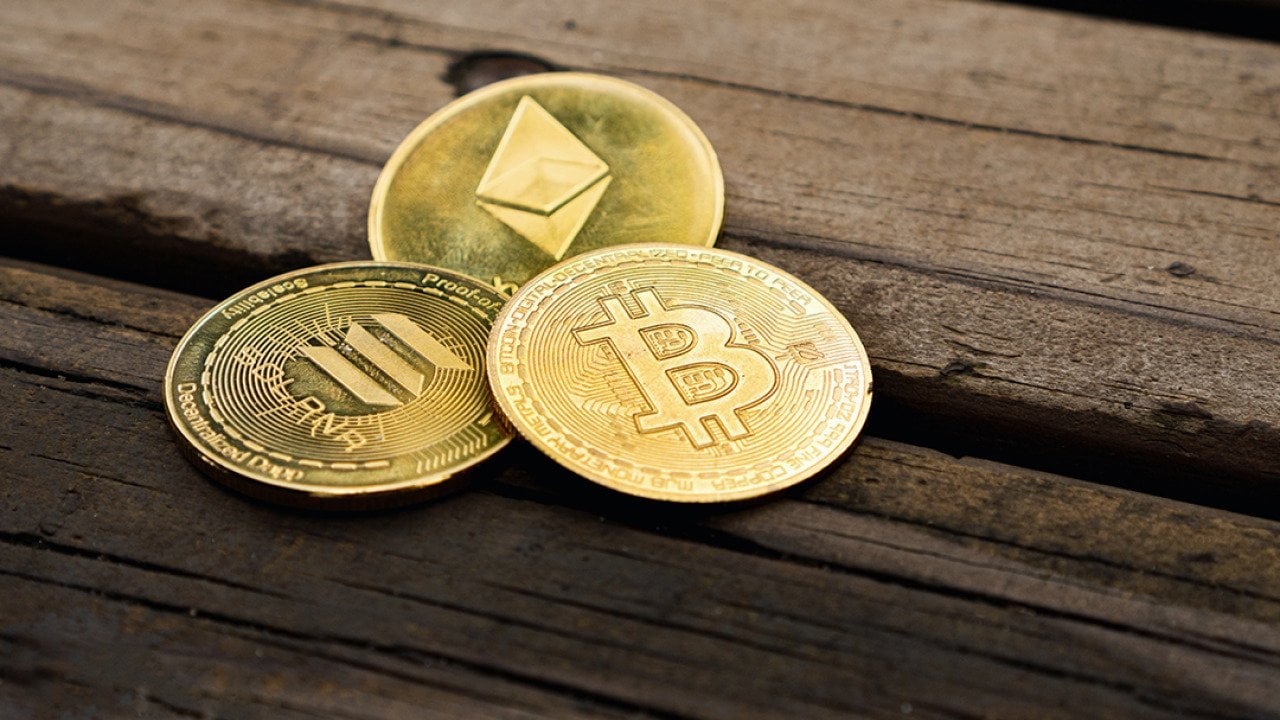
Cryptocurrency investment has moved from the financial fringe to mainstream portfolios, attracting retail and institutional capital alike. Yet beneath the promise of exponential returns lies a market defined by volatility, regulatory uncertainty and technological complexity. Before allocating capital to digital assets, investors must evaluate risk tolerance, regulatory compliance, liquidity exposure, taxation rules and cybersecurity safeguards. Understanding the underlying blockchain ecosystem and distinguishing speculation from long-term value creation are equally essential. In a market that trades 24/7 and reacts instantly to global developments, disciplined analysis — not impulsive enthusiasm — remains the cornerstone of responsible cryptocurrency investing.
- Regulatory Environment and Legal Compliance
The first and most critical consideration is the regulatory framework governing cryptocurrency in your jurisdiction. Digital asset laws vary significantly across countries. Some governments permit trading under taxation oversight, while others impose restrictions or outright bans.
Regulators such as the Securities and Exchange Commission and the Reserve Bank of India have issued guidelines, warnings and compliance requirements related to digital assets. Investors must understand whether cryptocurrency is classified as property, a commodity or a financial instrument in their country.
Ignoring regulatory obligations can result in penalties, frozen accounts or tax liabilities. - Volatility and Risk Tolerance
Cryptocurrencies are among the most volatile asset classes in global markets. Price swings of 10 percent to 20 percent within a single day are not uncommon. Assets such as Bitcoin and Ethereum may appear relatively stable compared to smaller tokens, but they remain significantly more volatile than traditional equities or bonds.
Before investing, individuals must evaluate whether they can withstand substantial short-term losses. Capital allocated to cryptocurrency should generally represent discretionary funds rather than essential savings.
Risk assessment is not merely financial; it is psychological. - Understanding the Technology
Cryptocurrency operates on blockchain networks, which differ in structure, speed, governance and utility. Investors should assess:
The purpose of the project
The problem it claims to solve
The strength of its development team
The sustainability of its token economics
Blindly purchasing a digital asset based on social media trends or influencer endorsements exposes investors to heightened risk. Technical literacy, even at a basic level, significantly improves decision-making quality. - Security and Custody Measures
Digital assets are bearer instruments. If access credentials are lost or compromised, recovery is often impossible. Investors must decide whether to store assets on exchanges or in private wallets.
Cold storage wallets, offline devices not connected to the internet, offer enhanced protection against hacking. Exchanges, while convenient, have historically been targets of cyberattacks.
Implementing two-factor authentication, secure passwords and withdrawal verification mechanisms is non-negotiable. - Liquidity and Market Depth
Liquidity determines how easily an asset can be bought or sold without significantly affecting its price. Major cryptocurrencies such as Bitcoin typically offer deep liquidity, reducing slippage during transactions.
Smaller tokens may experience thin trading volumes, increasing price manipulation risk and making exit strategies more difficult.
For serious investors, liquidity risk is as important as price volatility. - Taxation and Reporting Obligations
In many jurisdictions, cryptocurrency gains are taxable. Investors must track acquisition cost, sale price and holding period to calculate capital gains accurately.
Failure to report digital asset transactions can lead to audits or financial penalties. Tax planning should be integrated into overall investment strategy, particularly for active traders.
Clear record-keeping practices are essential. - Portfolio Diversification
Cryptocurrency should rarely constitute an entire investment portfolio. Diversification across asset classes — equities, fixed income, commodities and real estate — reduces concentration risk.
Within the crypto segment itself, investors may consider allocating capital across multiple assets rather than concentrating exposure in a single token.
Professional portfolio management emphasizes risk-adjusted returns, not headline gains. - Market Timing and Emotional Discipline
The cryptocurrency market operates continuously, reacting instantly to geopolitical developments, macroeconomic shifts and regulatory announcements. Emotional trading often results in buying during price spikes and selling during corrections.
A defined investment strategy — whether long-term holding or structured trading — is essential to avoid impulsive decisions.
Patience and discipline frequently outperform speculation.
Final Perspective
Cryptocurrency offers innovation, accessibility and the potential for outsized returns. However, it also introduces unique risks that demand careful evaluation. Regulatory clarity, security infrastructure, volatility tolerance and informed analysis should guide any investment decision.
In modern finance, digital assets represent opportunity — but only for those who approach them with strategic intent rather than unexamined optimism. Sound judgment, rigorous research and prudent capital allocation remain the investor’s strongest safeguards in an unpredictable market.
About Author

