Cardano Introduces USDCx Stablecoin, Expands Cross-Chain Liquidity as ADA Slips 3%
Cardano has unveiled USDCx, a native stablecoin backed 1:1 by Circle’s USDC through a dedicated smart contract infrastructure, marking a significant step in the blockchain’s decentralized finance evolution. Developed under a community-funded initiative, USDCx is designed to enhance cross-chain liquidity, simplify dollar-denominated transactions and strengthen real-world asset settlement on the network. To accelerate adoption, Cardano’s development arm will temporarily subsidize bridge fees for early users. The launch positions Cardano among a growing cohort of networks adopting stablecoin-on-stablecoin models. Meanwhile, ADA, the network’s native token, declined approximately 3% amid broader market weakness.
Cardano Expands Stablecoin Infrastructure With USDCx
Cardano has formally introduced USDCx, a dollar-pegged stablecoin fully collateralized by Circle’s USDC. The new digital asset is issued through Circle’s xReserve smart contract framework, ensuring a 1:1 backing mechanism intended to preserve price stability and transparency.
The initiative is spearheaded by Input Output Global, the primary research and engineering entity supporting the Cardano ecosystem. The organization said the objective is to facilitate seamless movement of dollar-denominated liquidity across supported blockchains while strengthening decentralized finance, or DeFi, capabilities within Cardano’s architecture.
By anchoring USDCx to an established and regulated stablecoin, Cardano seeks to mitigate volatility risks often associated with algorithmic or partially collateralized alternatives.
Enhancing DeFi, Payments and Real-World Asset Settlement
The introduction of USDCx is expected to support multiple blockchain-based financial applications. These include liquidity provision, on-chain lending protocols, cross-border payments and the settlement of tokenized real-world assets.
Stablecoins remain critical infrastructure for decentralized markets, functioning as the primary unit of account in DeFi ecosystems. By integrating a stablecoin backed directly by USDC reserves, Cardano positions itself to compete more aggressively with rival smart contract networks that already host substantial dollar-pegged liquidity.
Developers argue that a stable, fully backed digital dollar enhances capital efficiency and lowers transaction friction for institutional and retail participants alike.
Community-Funded Development and Ecosystem Collaboration
USDCx was developed under Cardano’s Critical Integrations program, a community-funded initiative aimed at strengthening interoperability and infrastructure. The effort involved collaboration with Pentad and Midgard Labs, two ecosystem contributors focused on smart contract engineering and cross-chain solutions.
The model mirrors a broader trend across decentralized finance platforms, where stablecoin-on-stablecoin structures have gained traction. Protocols such as Sky Protocol, formerly known as MakerDAO, and Frax Finance have adopted similar frameworks to enhance liquidity reliability and reserve transparency.
Industry analysts note that this approach reduces the systemic vulnerabilities seen in purely algorithmic stablecoin designs, which have historically faced stress during sharp market downturns.
Incentives to Drive Early Adoption
To accelerate network participation, Input Output Global announced it will subsidize bridge fees for USDCx transfers to Cardano during the first 10 days following launch. The temporary incentive is designed to encourage liquidity inflows and stimulate early-stage usage.
Users, however, remain responsible for standard network and decentralized exchange transaction fees. Notably, the structure avoids reliance on third-party custodial contracts, a feature developers say reinforces decentralization and reduces counterparty risk.
Short-term fee subsidies are a common growth tactic in blockchain ecosystems seeking to bootstrap liquidity and user engagement.
Market Reaction: ADA Faces Modest Pressure
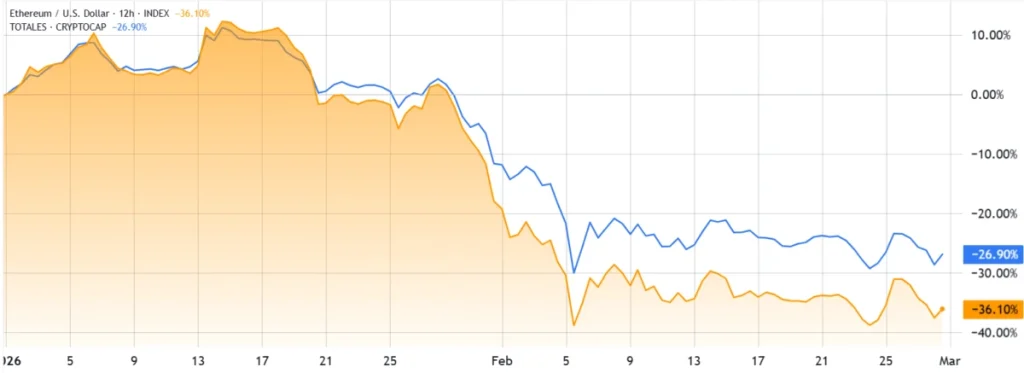
Despite the strategic significance of the announcement, ADA — Cardano’s native cryptocurrency — declined roughly 3% in recent trading. Market participants attributed the dip to broader digital asset volatility rather than project-specific concerns.
Price movements in major cryptocurrencies, including Bitcoin and Ethereum, have remained sensitive to macroeconomic signals and liquidity conditions. As such, ADA’s short-term weakness appears consistent with prevailing market sentiment.
Strategic Implications for Cardano’s Competitive Position
The launch of USDCx underscores Cardano’s ambition to deepen its role in decentralized finance and cross-chain interoperability. In a competitive environment where liquidity concentration often determines network relevance, the availability of a fully backed, dollar-pegged asset may enhance Cardano’s appeal to developers and institutional participants.
Stablecoin infrastructure increasingly serves as the backbone of digital finance ecosystems. By aligning with Circle’s established USDC reserves while preserving on-chain autonomy, Cardano is attempting to balance regulatory credibility with decentralized innovation.
Whether USDCx catalyzes sustained growth in total value locked and transaction volumes will depend on adoption metrics in the coming months. For now, the launch represents a calculated step toward expanding Cardano’s financial architecture in an evolving blockchain landscape.
About Author