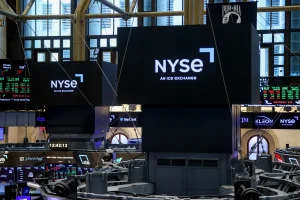
Crypto Markets Face Sharp Sell-Off Amid Equity Slump and Rising Geopolitical Tensions

Cryptocurrency markets are experiencing intensified selling pressure as global equities face declines and geopolitical tensions escalate. Major digital assets, including Bitcoin and Ethereum, have posted significant losses, reflecting investor risk aversion and heightened market uncertainty. Analysts attribute the downturn to a combination of macroeconomic factors, including rising interest rates, cross-border conflicts, and waning liquidity in riskier asset classes. Institutional and retail investors alike are reducing exposure to volatile cryptocurrencies, while safe-haven assets see renewed interest. The ongoing sell-off underscores the growing interconnection between traditional financial markets and the digital asset ecosystem, emphasizing the need for disciplined risk management.
Macro Drivers of the Crypto Decline
Global equity markets have been under pressure, with benchmark indices recording consecutive weekly losses. Rising interest rates and concerns over economic slowdowns have reduced investor appetite for high-risk assets. Cryptocurrencies, often considered speculative and highly sensitive to liquidity shifts, have mirrored these trends, amplifying market volatility.
Geopolitical tensions—ranging from conflicts in strategic regions to trade disruptions—have further eroded investor confidence. Analysts note that during periods of geopolitical uncertainty, liquidity tends to flow out of volatile assets, including digital currencies, into more stable instruments like government bonds and gold.
Market Impact on Key Digital Assets
Bitcoin, the largest cryptocurrency by market capitalization, has fallen below critical technical support levels, triggering automated selling and stop-loss orders. Ethereum and other major altcoins have similarly declined, with some tokens losing double-digit percentages over a short span.
The intensified sell-off is not limited to retail investors. Institutional participants, including hedge funds and crypto-focused investment vehicles, have reduced exposure to manage portfolio risk. This collective movement has compounded downward pressure, creating a feedback loop of declining prices.
Investor Behavior and Risk Management
Market participants are increasingly adopting risk mitigation strategies, including reducing leverage, employing hedging instruments, and reallocating capital to lower-volatility assets. Analysts highlight that disciplined approaches—such as maintaining diversified portfolios and using stop-loss protocols—are critical during periods of heightened uncertainty.
The current sell-off underscores the importance of viewing cryptocurrencies not in isolation but as part of a broader financial ecosystem. Their correlation with equity markets and sensitivity to macro and geopolitical shocks are becoming more pronounced.
Outlook for Crypto Amid Volatility
While short-term volatility is likely to persist, long-term observers argue that these periods of market correction can create opportunities for disciplined investors. Selective accumulation during price dips, combined with robust risk frameworks, may allow for strategic positioning once market conditions stabilize.
Experts emphasize monitoring key macroeconomic indicators, geopolitical developments, and institutional flows, as these factors will continue to influence cryptocurrency price movements. As digital assets mature, the market’s interconnection with global financial systems is expected to grow, reinforcing the need for sophisticated, adaptive investment strategies.
About Author