Crypto Rallies on Inflation Data, but the Market’s Reaction Raises Deeper Concerns
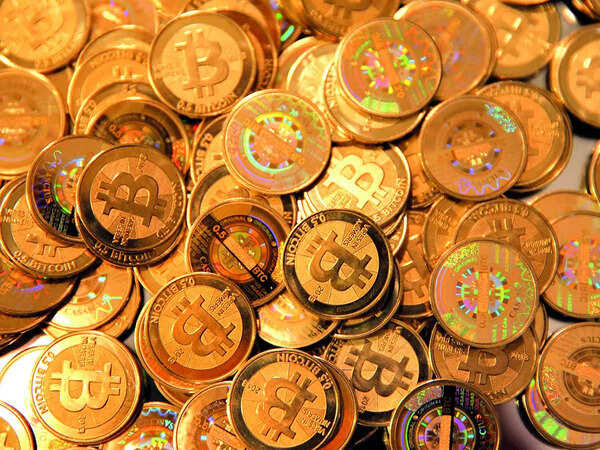
Bitcoin and XRP posted gains following the release of fresh inflation data, as investors interpreted the figures as supportive of risk assets. The immediate rally reflected renewed optimism that easing price pressures could eventually lead to looser financial conditions. However, market analysts caution that the crypto sector’s reflexive response to macroeconomic data may signal underlying fragility rather than strength. The sharp sensitivity of digital assets to inflation readings underscores their growing linkage to traditional financial markets. While prices moved higher in the short term, the reaction raises important questions about sustainability, valuation discipline, and the maturity of crypto as an independent asset class.
Digital Assets Respond to Inflation Signals
Bitcoin and XRP advanced after inflation data came in broadly in line with expectations, prompting investors to reassess the outlook for interest rates and liquidity. In recent months, digital assets have increasingly traded in tandem with other risk-oriented instruments, responding quickly to macroeconomic indicators that influence central bank policy.
The upward move reflected expectations that moderating inflation could reduce pressure on monetary authorities to maintain restrictive policies, a scenario typically viewed as supportive for speculative and growth-oriented assets.
Why the Market Reaction Is a Cause for Concern
Despite the price gains, the crypto market’s immediate reaction has unsettled some observers. The rapid pivot toward optimism suggests that digital assets remain highly dependent on external macro signals rather than internal fundamentals such as network usage, adoption metrics, or technological development.
This sensitivity raises concerns about volatility and resilience. Assets that move sharply on incremental data releases may be vulnerable to abrupt reversals if expectations shift or inflation proves more persistent than anticipated.
Growing Correlation With Traditional Markets
The response of Bitcoin and XRP to inflation data highlights the deepening correlation between cryptocurrencies and conventional financial markets. Once promoted as an alternative system insulated from macroeconomic cycles, crypto now appears closely tied to interest rate expectations and global liquidity trends.
For institutional investors, this correlation complicates portfolio diversification arguments. For retail participants, it increases exposure to macro-driven swings that may be difficult to anticipate or manage.
Short-Term Optimism Versus Long-Term Fundamentals
While easing inflation can provide temporary relief, analysts stress that long-term value in digital assets must be supported by fundamentals. Regulatory clarity, real-world use cases, and sustainable network growth remain more decisive drivers of long-term performance than short-term macro data.
Absent progress on these fronts, rallies driven primarily by inflation headlines risk fading quickly, reinforcing a cycle of volatility rather than stability.
The Bigger Picture for Crypto Markets
The climb in Bitcoin and XRP following inflation data illustrates both the appeal and the vulnerability of the crypto market. Optimism can return quickly, but so can uncertainty. For investors, the episode serves as a reminder that digital assets are still evolving within a broader financial ecosystem shaped by macroeconomic forces.
As crypto continues its integration into mainstream markets, the challenge will be developing resilience—so that price movements reflect underlying value, not just the latest economic data point.
About Author