Dryden Becomes First New York Town to Prohibit Data Centers and Crypto Mining
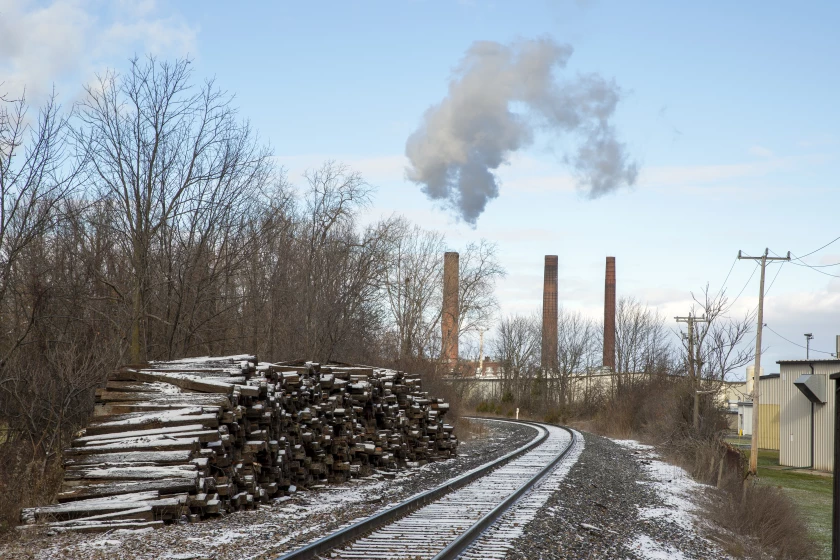
The town of Dryden has voted to permanently ban data centers and cryptocurrency mining facilities, positioning itself at the forefront of a growing policy debate over energy-intensive digital infrastructure. The local zoning amendment follows a yearlong temporary moratorium and reflects rising concerns about environmental impact, electricity consumption and community character. With more than 5,000 data centers operating nationwide — including over 130 in New York — the decision underscores mounting tension between technological expansion and small-town sustainability priorities.
Local Vote Redefines Zoning Policy
Dryden’s town board approved amendments to its zoning code that formally define and prohibit both large-scale data centers and cryptocurrency mining operations within town limits. The move converts what had been a temporary moratorium lasting more than a year into a permanent land-use restriction.
Deputy Town Supervisor Dan Lamb described the measure as a notable distinction, stating that Dryden is the first municipality in New York to enact an outright prohibition on both types of facilities.
The decision emerged after months of deliberation, public input and regional controversy tied to digital infrastructure proposals in neighboring communities.
Rising Tensions Over Energy Consumption
Data centers and cryptocurrency mines are among the most electricity-intensive commercial operations in the modern economy. Large facilities can consume tens of megawatts of power, straining local grids and raising environmental concerns.
According to data cited from the Brookings Center, the United States hosts more than 5,000 data centers. New York alone accounts for more than 130 facilities, with additional projects under development.
Local officials in Dryden expressed apprehension that high-energy operations could alter rural land use patterns, elevate carbon emissions and increase infrastructure burdens without proportionate economic benefits.
Regional Controversy Influences Debate
The zoning action in Dryden coincides with heated public debate in nearby Lansing, where a proposed data center project has triggered legal challenges and contentious public meetings.
Community members in Tompkins County have raised concerns ranging from noise pollution and water usage to long-term environmental sustainability. The regional discourse appears to have reinforced Dryden’s resolve to establish clear prohibitions before similar proposals materialized locally.
By acting preemptively, town officials sought to avoid prolonged disputes and provide regulatory certainty for residents.
State-Level Legislative Momentum
Dryden’s decision aligns with broader legislative scrutiny in New York. Lawmakers at the state level have introduced proposals to impose a three-year moratorium on data centers consuming more than 20 megawatts of electricity.
The legislation is sponsored by State Senator Lea Webb and Assemblymember Anna Kelles, whose districts encompass Tompkins County. Supporters argue that the pause would allow for comprehensive environmental review and grid impact assessments before further expansion.
Opponents caution that restrictive policies could discourage technology investment and reduce New York’s competitiveness in the digital economy.
Economic Development Versus Environmental Stewardship
The Dryden vote highlights a broader national dilemma: how to reconcile the rapid growth of digital infrastructure with local environmental and economic priorities.
Data centers are often promoted as engines of investment and job creation. However, critics argue that employment gains are modest relative to the scale of land use and energy consumption required.
Cryptocurrency mining facilities face additional scrutiny due to their high computational intensity and fluctuating economic returns tied to volatile digital asset markets.
For small municipalities, the calculus extends beyond tax revenue to questions of grid resilience, sustainability goals and community identity.
Implications for Future Policy
Dryden’s action may serve as a precedent for other rural towns evaluating similar proposals. As digital transformation accelerates, local governments are increasingly tasked with balancing technological growth against environmental and social considerations.
The debate underscores a fundamental tension in the modern economy: while data infrastructure is essential to cloud computing, artificial intelligence and blockchain systems, its physical footprint remains highly localized.
Whether other municipalities follow Dryden’s example will likely depend on regional energy capacity, economic strategy and public sentiment.
Conclusion
By formally banning data centers and cryptocurrency mining operations, Dryden has positioned itself at the center of a rapidly evolving policy conversation. The decision reflects a cautious approach to energy-intensive digital development and signals growing scrutiny of infrastructure expansion in rural communities.
As technology continues to reshape global commerce, the interplay between innovation and environmental governance will remain a defining issue for policymakers at every level.
About Author