Gold Outpaces Bitcoin in Volatility, Records Wildest Swings Since 2008
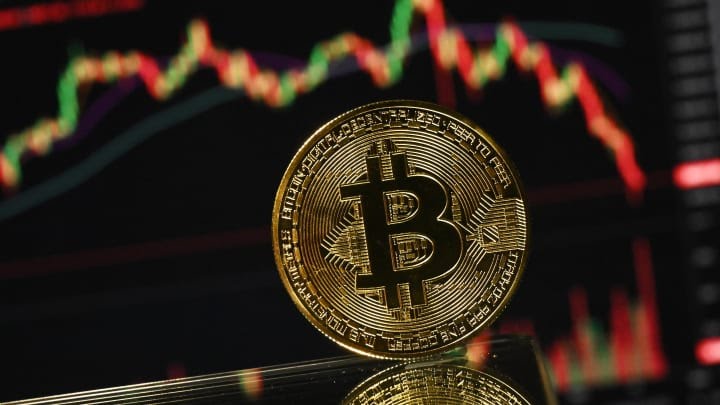
Gold has experienced unprecedented price volatility, surpassing Bitcoin in its wildest swings since the 2008 financial crisis. Analysts attribute this turbulence to a convergence of macroeconomic pressures, including rising interest rates, geopolitical tensions, and shifts in investor sentiment. While Bitcoin remains synonymous with digital asset volatility, gold’s traditional safe-haven status is being challenged as traders respond rapidly to global uncertainties. Market observers note that such fluctuations present both risks and opportunities for investors, highlighting the importance of diversified portfolios and real-time risk management strategies amid an increasingly interconnected financial ecosystem.
Record Volatility in Gold Markets
Gold prices have surged and plunged within short intervals, reflecting a level of instability unseen in over a decade. Key contributing factors include:
Monetary Policy Shifts: Central banks globally have signaled higher interest rates to curb inflation, prompting rapid adjustments in gold holdings.
Geopolitical Tensions: Regional conflicts and supply chain disruptions have triggered defensive investment behaviors.
Market Speculation: Hedge funds and institutional traders have amplified price swings through leveraged positions and algorithmic trading.
This volatility contrasts with Bitcoin’s erratic behavior, demonstrating that even traditional safe-haven assets are susceptible to extreme market dynamics.
Comparing Gold and Bitcoin
Historically, gold has been a store of value with moderate price fluctuations, while Bitcoin embodies high-risk digital asset volatility. Recent data reveals:
Gold’s intraday swings have exceeded 5% on multiple occasions, outpacing Bitcoin’s largest daily movements in the same period.
Liquidity and accessibility differences contribute to contrasting investor reactions. Gold’s physical and paper markets react to macroeconomic indicators, whereas Bitcoin responds primarily to sentiment and digital market flows.
Analysts emphasize that the current environment blurs the distinction between conventional and digital asset volatility.
Implications for Investors
For market participants, these developments underscore several considerations:
Risk Management: Hedging strategies and diversified asset allocations are critical to mitigate exposure.
Timing and Strategy: Both short-term trading and long-term investment decisions must account for heightened price swings.
Monitoring Global Indicators: Interest rate announcements, currency movements, and geopolitical events increasingly drive both gold and crypto markets.
Financial advisors caution that extreme volatility offers opportunity but also demands disciplined capital allocation and robust contingency planning.
Conclusion
Gold’s recent price behavior demonstrates that even historically stable assets are not immune to systemic shocks. As investors navigate turbulent markets, understanding the interplay between macroeconomic forces, investor psychology, and market structure is essential. With Bitcoin and gold both experiencing significant swings, the modern financial landscape requires vigilance, strategic foresight, and adaptability to thrive amid uncertainty.
About Author