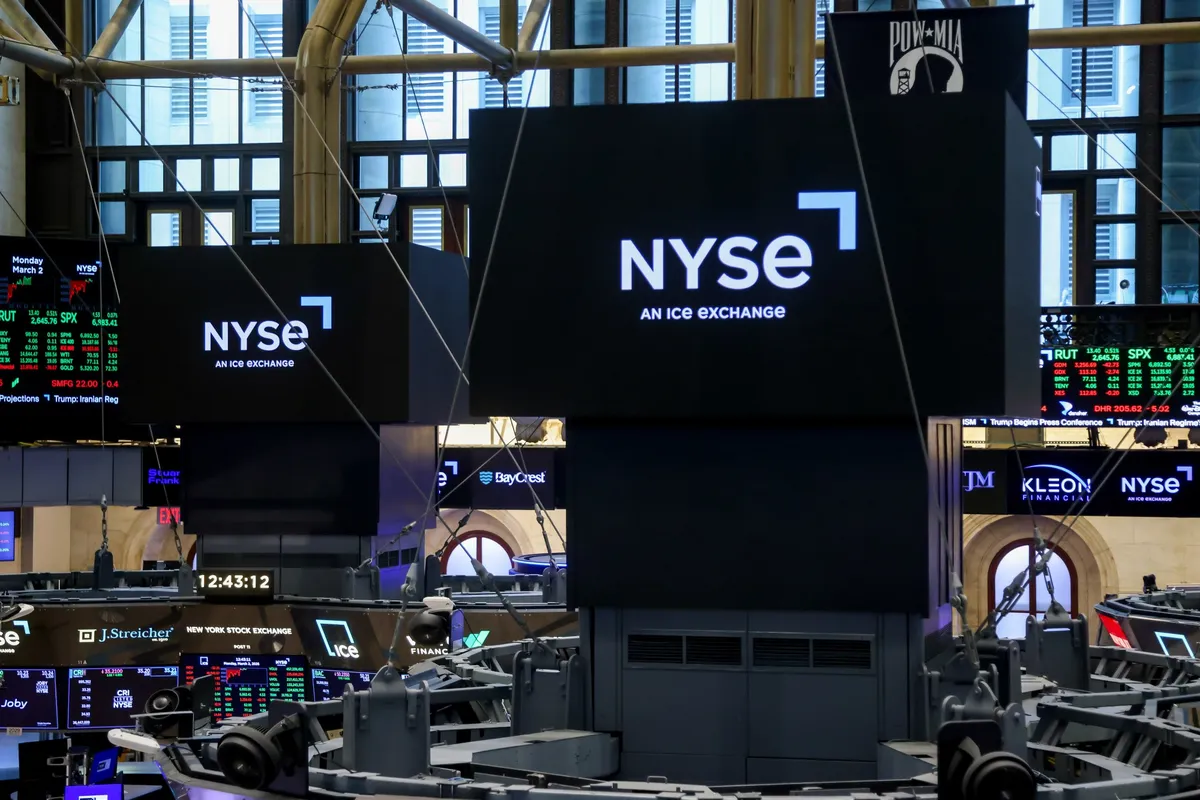
A significant development in the digital asset sector has emerged as the parent company of a leading U.S. stock exchange invested in a major cryptocurrency trading platform, pushing its valuation to approximately $25 billion. The strategic partnership highlights the accelerating convergence between traditional financial markets and blockchain-based trading infrastructure. As part of the collaboration, the financial exchange operator plans to license cryptocurrency pricing data and develop regulated futures products linked to digital assets. Industry observers view the move as another sign that institutional players are positioning themselves for long-term growth in the digital economy, signaling increasing confidence in cryptocurrencies as a component of modern financial markets.
Institutional Capital Strengthens Crypto Market Infrastructure
The global cryptocurrency industry received a strong vote of confidence after a major financial exchange operator acquired a minority stake in a prominent digital asset trading platform. The investment values the crypto exchange at approximately $25 billion, placing it among the most highly valued companies in the sector.
Although financial details of the transaction were not publicly disclosed, the agreement reflects a strategic effort by traditional financial institutions to integrate cryptocurrency services into their broader market infrastructure. As digital assets gain legitimacy among institutional investors, partnerships between legacy exchanges and crypto platforms are becoming increasingly common.
Industry analysts suggest that the move represents more than a simple investment. Instead, it reflects a structural shift in the financial system as established institutions adapt to the growing influence of blockchain-based markets.
Strategic Collaboration to Expand Regulated Crypto Products
Under the partnership agreement, the financial exchange operator will license spot cryptocurrency price data from the trading platform. The data will support the development of regulated futures contracts tied to digital assets within the United States.
Regulated derivatives are widely considered essential for the maturation of cryptocurrency markets. Futures products allow institutional investors to hedge risk, enhance liquidity, and manage exposure to volatile assets more efficiently.
The collaboration also extends in the opposite direction. The cryptocurrency exchange will distribute certain financial products from the traditional exchange operator, including U.S. futures and tokenized equities, to its global user base. With more than 120 million users worldwide, the platform offers significant reach for expanding access to regulated financial instruments.
This reciprocal arrangement illustrates how traditional and digital finance are increasingly intertwining to create hybrid market ecosystems.
Institutional Momentum Builds Across the Crypto Sector
The investment comes amid a broader trend of institutional engagement with digital assets. Over the past several years, banks, hedge funds, and exchange operators have steadily increased their involvement in cryptocurrency infrastructure, trading, and custody services.
Many financial firms view blockchain technology as a transformative innovation capable of improving efficiency, transparency, and settlement speeds across global markets. As a result, capital is flowing into platforms that can provide reliable trading infrastructure and regulatory compliance.
The investment also follows other strategic moves within the industry, including financial backing for blockchain-based prediction markets and digital asset service providers. These developments suggest that established financial institutions are positioning themselves early in what they perceive to be a long-term structural shift.
Governance and Strategic Influence
As part of the transaction, the exchange operator will gain representation on the cryptocurrency platform’s board of directors. Board participation allows institutional investors to contribute to governance decisions, strategic direction, and regulatory engagement.
Such involvement is particularly important in a sector that continues to navigate evolving global regulations. Institutional stakeholders often encourage stronger compliance standards, risk management systems, and transparency measures to align crypto platforms with traditional financial practices.
The appointment to the board may also help bridge communication between regulators and digital asset companies, potentially accelerating the development of clearer regulatory frameworks.
Digital Assets Move Toward Mainstream Finance
The rising valuation of cryptocurrency platforms and the increasing participation of traditional financial institutions suggest that digital assets are gradually transitioning from a niche technology to a mainstream financial instrument.
For years, cryptocurrency markets operated largely outside the established financial system. Today, however, collaboration between traditional exchanges and blockchain platforms is creating a more integrated global market structure.
Analysts note that such partnerships could accelerate the development of regulated crypto derivatives, tokenized securities, and cross-market trading systems. These innovations may reshape how assets are traded, settled, and managed in the coming decade.
Outlook for the Global Crypto Industry
The latest investment highlights the growing recognition that digital assets are becoming an important component of the global financial landscape. While challenges remain — including regulatory uncertainty and market volatility — institutional capital continues to flow into infrastructure that supports the crypto ecosystem.
As traditional financial institutions deepen their involvement, the boundaries between conventional markets and blockchain-based platforms are likely to become increasingly blurred.
For investors and policymakers alike, the message is becoming clearer: the future of finance may well be built on a hybrid framework where digital assets and traditional markets operate side by side within a rapidly evolving global financial system.
About Author
