Rising Online Scams Exploit Bitcoin’s Popularity, Triggering Global Security Concerns
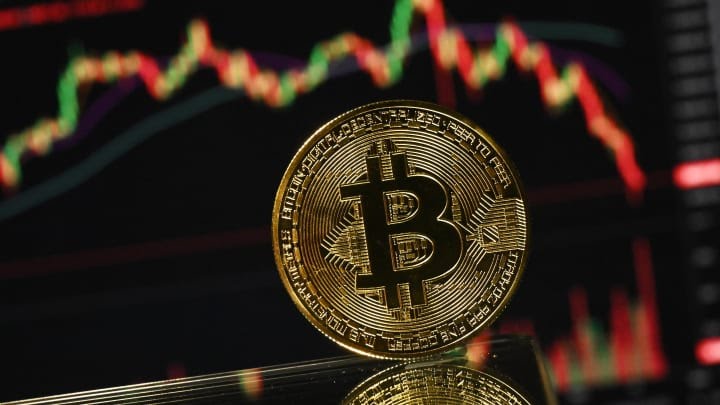
The rapid expansion of digital finance has brought significant benefits, but it has also unleashed a new wave of online scams that exploit Bitcoin’s global appeal. Fraudsters are increasingly using the anonymity and speed of cryptocurrency transactions to deceive unsuspecting investors, promising extraordinary returns or posing as legitimate institutions. As Bitcoin becomes more widely adopted, the risks associated with unregulated platforms, phishing schemes and impersonation fraud have grown more sophisticated. The growing threat landscape has prompted experts to call for stronger cybersecurity practices, clearer regulations and heightened public awareness to safeguard digital assets in a rapidly evolving financial ecosystem.
Bitcoin’s Rising Influence and the Dark Side of Digital Finance
Bitcoin has firmly established itself as a mainstream financial instrument, attracting investors seeking diversification, inflation protection and long-term appreciation. Its decentralized structure, however, has become a fertile ground for cybercriminals aiming to exploit individuals with limited knowledge of cryptocurrency mechanics. Scammers deploy deceptive advertisements, fake investment platforms and cloned customer support channels to manipulate victims into transferring their digital assets.
Analysts note that the surge in fraudulent activity mirrors Bitcoin’s expanding user base. As more individuals enter the crypto market, scammers capitalize on curiosity and limited regulatory oversight to engineer schemes designed to drain wallets in minutes.
Common Tactics Used by Online Fraudsters
Digital criminals have diversified their strategies, with many scams now operating across multiple channels. Phishing emails remain among the most prevalent tactics, crafted to mimic communication from trusted exchanges or service providers. These messages often contain malicious links that redirect users to counterfeit websites, where login credentials are harvested.
Another widespread method involves fake investment programs that guarantee unrealistic profits. Once victims deposit their Bitcoin, the platforms disappear without explanation. Social media impersonation has also gained traction, with criminals posing as well-known crypto analysts or financial experts, persuading followers to send Bitcoin in exchange for false “doubling” rewards.
Why Criminals Prefer Bitcoin for Scams
The appeal of Bitcoin for scam networks lies largely in its decentralized and pseudonymous nature. Transactions are recorded on a public ledger, yet wallet addresses are not directly linked to personal identities. This structure allows criminals to move funds quickly across borders, complicating law enforcement efforts.
Additionally, Bitcoin transactions cannot be reversed once initiated. While this feature strengthens its security as a digital asset, it also means victims have no mechanism to recover funds once transferred. The combination of global accessibility and minimal regulatory barriers enhances its attractiveness for illicit activity.
Impact on Investors and Financial Trust
The emotional and financial consequences of Bitcoin-related scams are substantial. Investors often lose life savings, emergency funds or long-term investment capital in a matter of seconds. Beyond individual losses, repeated incidents erode public confidence in emerging financial technologies, slowing broader adoption and investment in crypto-related innovation.
Financial analysts warn that persistent scams contribute to market volatility by driving panic and uncertainty among users. This destabilizing effect has prompted renewed urgency for stronger safeguards that balance innovation with consumer protection.
Strengthening Defenses Through Awareness and Regulation
Experts emphasize that education remains the most effective tool against online scams. Users are encouraged to verify all communications, avoid clicking unsolicited links and rely only on trusted, well-regulated platforms for transactions. Multi-factor authentication and secure digital wallets further reduce vulnerability.
Regulators in multiple regions are exploring stricter oversight mechanisms to deter fraudulent actors. Proposed measures include mandatory disclosures, stronger licensing frameworks and real-time monitoring of suspicious transactions. While such policies remain under development, they highlight a global shift toward creating safer digital financial environments.
The Road Ahead
As Bitcoin continues to reshape the financial landscape, the battle between innovation and online crime is expected to intensify. While scams pose a persistent challenge, greater awareness, technological enhancements and responsible regulation can mitigate risks and protect investors.
The future of cryptocurrency will depend on the industry’s ability to balance decentralization with safety—ensuring that digital finance remains both accessible and secure for the growing number of participants entering the ecosystem.
About Author