Pakistan’s Crypto Diplomacy: How Digital Asset Strategy Reshaped Its Engagement With Donald Trump
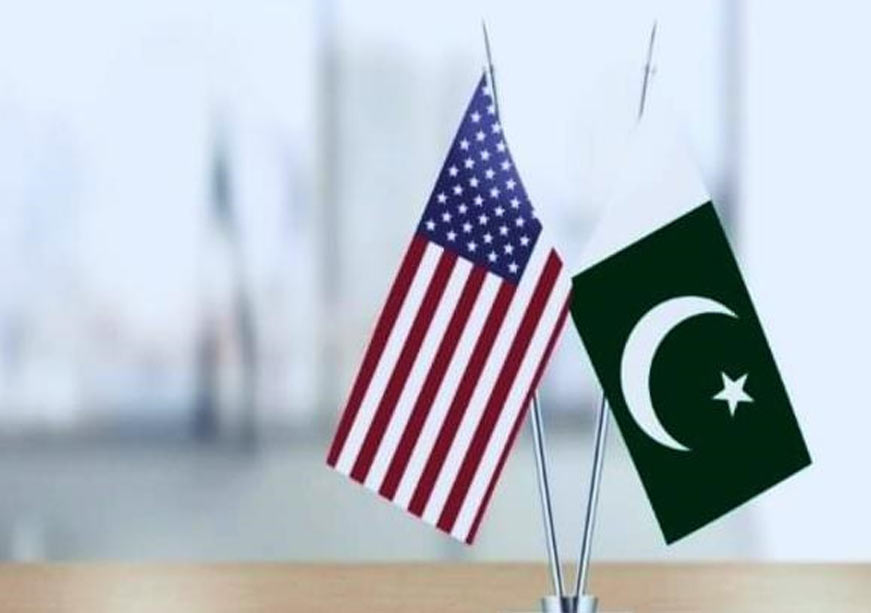
Pakistan’s evolving cryptocurrency strategy has emerged as an unconventional yet strategic diplomatic lever in its engagement with former U.S. President Donald Trump. By signaling openness to blockchain innovation, regulatory modernization and digital finance experimentation, Islamabad positioned itself within a policy space that resonated with pro-business and technology-forward narratives. While crypto policy was not the central pillar of bilateral relations, it became part of a broader economic diplomacy framework aimed at attracting investment, improving financial transparency and aligning with emerging global fintech trends. The episode highlights how digital assets increasingly intersect with geopolitics and international economic dialogue.
The Rise of Crypto as a Diplomatic Tool
In recent years, cryptocurrency has transitioned from a fringe technological experiment to a strategic instrument of economic statecraft. For countries facing fiscal pressures and constrained access to traditional capital markets, digital asset ecosystems offer alternative pathways for innovation and cross-border investment.
Pakistan’s recalibration of its digital finance policy occurred amid shifting global attitudes toward blockchain regulation. Rather than adopting an outright prohibitive stance, policymakers signaled interest in controlled experimentation, fintech incubation and regulatory frameworks designed to balance innovation with compliance.
This repositioning gained diplomatic relevance during periods when Washington emphasized private-sector growth, deregulation and financial modernization.
Aligning With Pro-Business Narratives
During Donald Trump’s presidency, economic diplomacy frequently centered on trade balances, private investment flows and strategic partnerships. By highlighting its emerging crypto and fintech ambitions, Pakistan tapped into themes consistent with pro-market messaging.
Officials emphasized blockchain’s potential to enhance remittance efficiency, strengthen anti-money laundering systems and attract foreign direct investment. In doing so, Islamabad framed digital assets not merely as speculative instruments but as tools for financial inclusion and capital formation.
For a U.S. administration attentive to technology competitiveness and entrepreneurial ecosystems, such signals carried symbolic and practical weight.
Economic Signaling and Regulatory Reform
Pakistan’s overtures included discussions around clearer regulatory pathways for crypto exchanges, digital wallets and blockchain startups. By exploring structured oversight rather than blanket bans, authorities sought to project stability to international investors.
Financial analysts note that regulatory clarity is often more influential than permissiveness. Global capital allocators evaluate jurisdictions based on compliance credibility, enforcement predictability and legal transparency.
In that context, crypto diplomacy functioned as economic signaling — a demonstration of modernization intent in a rapidly evolving financial landscape.
Strategic Calculus Beyond Cryptocurrency
While digital assets formed part of the narrative, they did not operate in isolation. Broader geopolitical considerations — including regional security dynamics and trade discussions — remained central to U.S.-Pakistan relations.
However, the integration of fintech policy into diplomatic engagement reflects a growing trend: emerging technologies increasingly shape international partnerships. Blockchain adoption, cybersecurity frameworks and digital payment infrastructure now intersect with trade and investment dialogues.
Crypto diplomacy, therefore, was less about individual tokens and more about projecting alignment with global technological transformation.
Risks and Constraints
Despite the strategic appeal, cryptocurrency engagement carries inherent volatility. Digital asset markets remain subject to rapid price swings, regulatory divergence and reputational risk.
For policymakers, balancing innovation with financial stability is critical. Excessive liberalization could expose domestic investors to speculative harm, while restrictive measures might deter legitimate enterprise.
Pakistan’s approach illustrates the delicate equilibrium facing developing economies: leveraging digital innovation without undermining macroeconomic stability.
Implications for Future Economic Diplomacy
The episode underscores a broader shift in how nations communicate economic intent. Technology policy, including cryptocurrency regulation, now functions as a dimension of soft power and investor outreach.
As blockchain infrastructure becomes more embedded in global finance, diplomatic conversations are likely to incorporate digital asset governance more explicitly. Countries that craft credible, transparent frameworks may strengthen their attractiveness to international capital and strategic partners alike.
Conclusion
Pakistan’s engagement strategy during the Trump era demonstrates how cryptocurrency policy can extend beyond domestic financial reform to influence diplomatic perception. By positioning itself within a pro-innovation narrative, Islamabad aligned aspects of its economic agenda with prevailing themes in Washington.
Although crypto diplomacy alone does not redefine bilateral relations, it reflects a broader reality: in an increasingly digital economy, financial technology has become both a market force and a geopolitical instrument.
About Author