Robert Kiyosaki Sounds Alarm on Looming Global Market Collapse
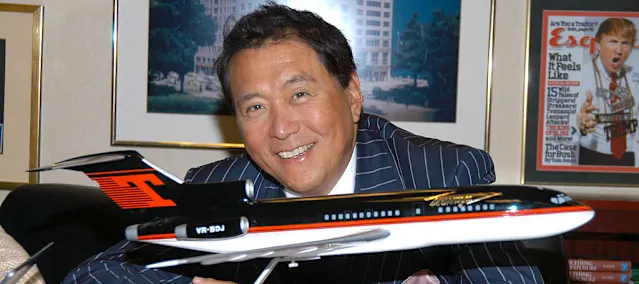
Robert Kiyosaki, the bestselling author of Rich Dad Poor Dad, has issued a stark warning that the global economy is on the brink of what he describes as the “biggest crash in history.” He argues that mounting systemic risks — from inflated asset valuations and excessive debt to artificial intelligence–driven job displacement — are converging into a severe financial reckoning. According to Kiyosaki, the downturn will not be confined to the United States but will ripple across Europe and Asia, destabilizing equities, real estate and employment markets. His cautionary remarks arrive amid heightened volatility in stocks, cryptocurrencies and commodities.
A Stark Warning From a Financial Commentator
Robert Kiyosaki, widely recognized for his influential book Rich Dad Poor Dad, has once again sounded the alarm on the global financial system. In recent public remarks, he reiterated a prediction he first made more than a decade ago: that an unprecedented market collapse was inevitable.
Kiyosaki contends that the downturn he forecast in 2013 has now materialized. He characterizes the unfolding turbulence not as a routine cyclical correction, but as a systemic breakdown spanning major economies. According to his assessment, the United States, Europe and Asia are simultaneously confronting structural weaknesses that could amplify losses across asset classes.
Global Contagion Risks and Asset Market Fragility
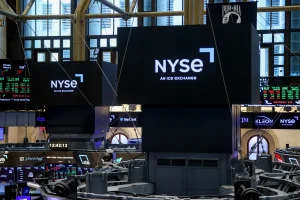
Financial markets have experienced heightened volatility in recent sessions, with benchmark equity indices showing uneven performance. The S&P 500 has faced intermittent declines, reflecting investor anxiety about economic growth and corporate earnings sustainability.
Kiyosaki argues that excessive leverage, prolonged low interest rate policies in prior years and speculative fervor have inflated valuations across stocks and property markets. He warns that once confidence erodes, cascading sell-offs can accelerate through margin calls and forced liquidations — a dynamic familiar from past financial crises.
Cryptocurrencies, including Bitcoin and Ethereum, have also exhibited sharp price swings. While some investors view digital assets as hedges against fiat currency debasement, Kiyosaki has historically endorsed hard assets such as gold alongside select cryptocurrencies, citing their perceived insulation from central bank policy risks.
Artificial Intelligence and Structural Unemployment
A distinctive element of Kiyosaki’s latest warning is his emphasis on technological disruption. He asserts that rapid advances in artificial intelligence could displace millions of workers, particularly in white-collar sectors once considered resilient.
The economic implications, he suggests, extend beyond labor markets. A sustained rise in unemployment would likely pressure consumer spending, weaken corporate revenues and intensify stress in office and residential real estate markets. Commercial property valuations, already adjusting in several metropolitan centers, could face renewed downward pressure if occupancy rates deteriorate further.
Such concerns align with broader debates among economists about productivity gains versus displacement risks associated with automation. While AI promises efficiency improvements, the transition could prove destabilizing if workforce retraining and policy adaptation lag behind technological progress.
Real Estate at the Crossroads
Kiyosaki has frequently criticized what he describes as overvaluation in property markets. He argues that rising borrowing costs and softening demand are eroding the foundations of real estate prices.
Office spaces, in particular, remain vulnerable as hybrid and remote work models persist. Residential markets, though more resilient in some regions, are not immune to affordability constraints and tightening credit conditions. A synchronized downturn in employment and property could amplify financial strain on households and institutional investors alike.
Investor Psychology and Defensive Strategies
Market history demonstrates that sentiment can shift rapidly from complacency to fear. When liquidity tightens and risk appetite contracts, correlations among asset classes often rise, reducing the effectiveness of traditional diversification strategies.
Kiyosaki advocates allocating capital toward tangible assets such as gold and alternative stores of value, arguing that they offer protection against currency debasement and systemic instability. Critics, however, caution that no asset class is entirely immune to macroeconomic shocks and that disciplined portfolio management remains essential.
A Polarizing Voice in Uncertain Times
Kiyosaki’s forecasts have long divided the financial community. Supporters view him as a contrarian thinker who challenges conventional wisdom about debt, fiat currencies and centralized financial systems. Skeptics contend that his warnings, while attention-grabbing, often lack precise timing and can overstate near-term risks.
Nonetheless, his latest remarks resonate at a moment when geopolitical tensions, technological disruption and monetary policy uncertainty intersect. Whether the current volatility evolves into the historic crash he predicts remains uncertain. What is clear is that investors are navigating an increasingly complex environment — one that demands vigilance, strategic discipline and a sober assessment of risk.
As markets digest shifting economic signals, the debate over systemic fragility versus cyclical correction is likely to intensify.
About Author