Bitcoin Strengthens Position as Digital Store of Value Amid Monetary Uncertainty
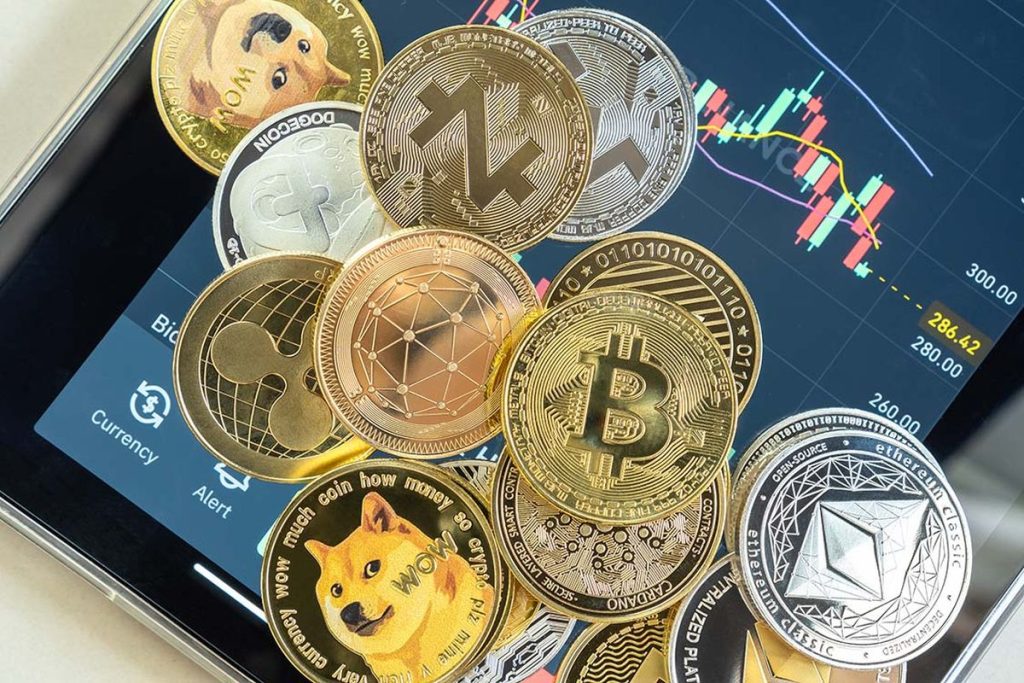
Bitcoin is reinforcing its status as a digital store of value as global monetary uncertainty intensifies. With fixed supply mechanics and decentralized governance, the asset continues to attract institutional and retail investors seeking hedges against inflation and currency debasement. Recent capital inflows into regulated investment vehicles have increased liquidity and broadened participation. While price volatility persists, Bitcoin’s integration into mainstream financial systems signals a structural shift. As macroeconomic risks evolve, the world’s largest cryptocurrency is increasingly evaluated alongside gold and other traditional safe-haven assets.
Scarcity and Monetary Narrative
Bitcoin’s capped supply of 21 million coins remains central to its investment thesis. In contrast to fiat currencies subject to monetary expansion, Bitcoin’s issuance schedule is algorithmically predetermined.
This scarcity narrative has strengthened during periods of elevated inflation and expansionary monetary policy. Investors view the asset as a hedge against currency dilution.
Periodic halving events, which reduce mining rewards, further reinforce supply constraints.
Institutional Adoption and Market Liquidity
Institutional participation has significantly enhanced Bitcoin’s market infrastructure. Regulated custody services and exchange-traded investment products have expanded accessibility.
Increased liquidity has narrowed bid-ask spreads and improved price efficiency. Institutional trading volumes now account for a growing share of daily activity.
While volatility remains higher than traditional assets, price swings have moderated compared with earlier market cycles.
Macroeconomic Correlations
Bitcoin’s correlation with equity markets has fluctuated, reflecting its hybrid nature as both a risk asset and a store of value. During periods of financial stress, investor behavior varies depending on liquidity conditions.
Interest rate movements, U.S. dollar strength and global capital flows increasingly influence Bitcoin pricing dynamics.
Network Security and Mining Economics
Bitcoin’s proof-of-work consensus mechanism continues to secure the network. Mining difficulty adjustments maintain system stability, though energy consumption remains debated.
Advancements in renewable energy usage within mining operations are addressing environmental concerns.
Outlook
Bitcoin’s long-term trajectory depends on sustained institutional trust, regulatory stability and macroeconomic relevance. While speculative cycles will persist, its role within diversified portfolios appears increasingly entrenched.
About Author