Crypto ATMs Face an Uncertain Future as U.S. Regulators Tighten Oversight
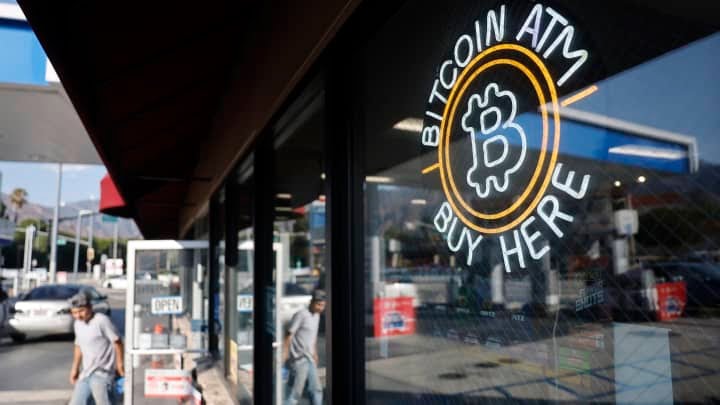
Cryptocurrency ATMs across the United States are confronting growing regulatory pressure as authorities intensify efforts to curb fraud, money laundering, and consumer abuse. Once hailed as a convenient on-ramp to digital assets, these machines are increasingly viewed as weak links in compliance and consumer protection frameworks. Lawmakers and enforcement agencies are scrutinizing high fees, limited identity checks, and their alleged role in facilitating scams. As oversight tightens and compliance costs rise, industry participants warn that the business model underpinning crypto ATMs may no longer be viable, raising questions about their long-term survival in the American financial landscape.
Regulatory Heat Mounts on Crypto ATMs
U.S. regulators have stepped up enforcement actions targeting crypto ATMs, citing concerns over inadequate safeguards and rising fraud cases. Authorities argue that the machines, often located in convenience stores and malls, have been exploited by scammers who pressure victims into converting cash into digital tokens. This has prompted calls for stricter licensing, enhanced disclosures, and tougher penalties for non-compliance.
Compliance Gaps and Consumer Risks
Unlike traditional financial institutions, many crypto ATM operators have historically operated with lighter Know Your Customer checks. Consumer advocates highlight that limited verification, coupled with opaque fee structures, exposes users to significant financial risk. Transaction charges can exceed double-digit percentages, eroding consumer value and amplifying losses in fraudulent schemes.
Rising Costs Threaten the Business Model
As policymakers push for stronger identity verification, transaction monitoring, and reporting standards, operating costs for crypto ATM networks are climbing sharply. Industry analysts note that the added compliance burden may outweigh revenue potential, particularly in lower-volume locations. Smaller operators are expected to struggle most, accelerating consolidation or market exits.
Shift Toward Regulated Digital Platforms
The pressure on crypto ATMs coincides with broader adoption of regulated digital exchanges and mobile wallets that offer greater transparency and consumer protections. These platforms provide seamless access to digital assets while meeting stricter regulatory expectations, reducing the relative appeal of physical ATMs.
Outlook: Decline or Reinvention
While some operators may adapt by embracing higher compliance standards and clearer consumer disclosures, others face the prospect of closure. The future of crypto ATMs in the U.S. will depend on whether the sector can align with evolving regulatory norms without sacrificing commercial viability. What once symbolized easy access to crypto may soon become a casualty of a more disciplined digital finance era.
About Author