India’s Crypto Crossroads: ZebPay CEO Rahul Pagidipati on SIP Investing, Bitcoin Discipline, and Regulatory Clarity
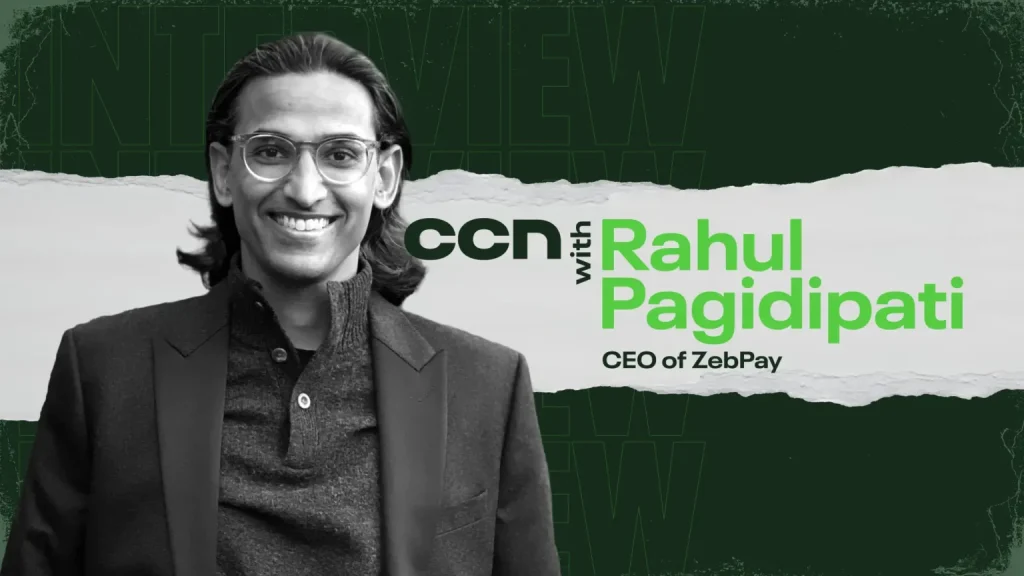
India’s cryptocurrency market is gradually maturing, driven by disciplined investment approaches and growing calls for regulatory certainty. Rahul Pagidipati, CEO of crypto exchange ZebPay, believes systematic investment plans (SIPs) in digital assets could help Indian investors manage volatility while building long-term exposure to Bitcoin and other cryptocurrencies. He argues that structured investing, combined with investor education, is essential for sustainable market growth. At the same time, Pagidipati stresses that India’s regulatory future will determine whether the country can fully participate in the global digital asset economy or remain on its periphery.
Crypto SIPs as a Risk-Managed Entry Point
Pagidipati views crypto SIPs as a practical bridge between traditional investing habits and emerging digital assets. By allowing investors to deploy fixed amounts at regular intervals, SIPs help smooth price volatility—one of the biggest psychological and financial barriers to crypto adoption. This approach, he notes, aligns well with Indian retail investors who are already familiar with mutual fund SIPs and prefer gradual wealth accumulation over speculative trading.
According to Pagidipati, disciplined allocation encourages patience and reduces impulsive decision-making in a market known for sharp price swings.
Bitcoin as a Long-Term Asset Class
The ZebPay chief maintains that Bitcoin should be approached as a long-term strategic asset rather than a short-term trading instrument. He emphasizes its fixed supply, decentralized architecture, and growing institutional recognition as key factors supporting its investment case. While acknowledging near-term volatility, Pagidipati argues that Bitcoin’s performance over longer cycles has reinforced its role as a hedge against monetary debasement and macroeconomic uncertainty.
For serious investors, he suggests portfolio allocation and time horizon matter far more than attempting to time market peaks and troughs.
India’s Regulatory Landscape: The Deciding Factor
Pagidipati identifies regulatory clarity as the single most important variable shaping India’s crypto future. While taxation and compliance measures have brought legitimacy, lingering ambiguity continues to deter broader participation from institutions and high-net-worth investors. He believes a balanced framework—focused on transparency, consumer protection, and innovation—could unlock significant domestic and foreign capital.
Without such clarity, India risks losing talent and capital to jurisdictions offering more predictable regulatory environments.
Building a Sustainable Digital Asset Ecosystem
Beyond regulation, Pagidipati stresses the importance of investor education, robust compliance systems, and responsible product design. Exchanges, he argues, must act as long-term ecosystem builders rather than short-term profit seekers. Trust, transparency, and risk awareness will ultimately determine whether crypto becomes a mainstream financial instrument in India.
The Road Ahead
India stands at a pivotal moment in its digital asset journey. Structured investment tools like crypto SIPs, combined with clear regulation and informed participation, could transform cryptocurrencies from speculative instruments into accepted components of modern portfolios. As Pagidipati sees it, the opportunity is substantial—but realizing it will require discipline from investors and decisive action from policymakers alike.
About Author