Rethinking Bitcoin Mining Within India’s Evolving Power Economy
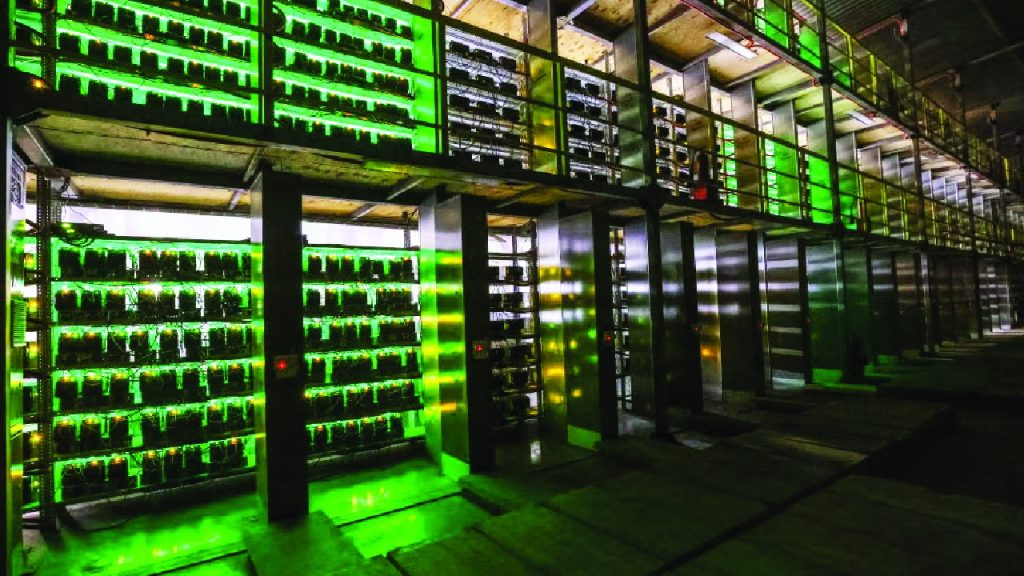
Bitcoin mining has emerged as a contentious issue within India’s power and energy landscape, raising questions about sustainability, grid stress, and economic opportunity. As India balances rapid digital adoption with ambitious renewable energy goals, the energy-intensive nature of Bitcoin mining has come under renewed scrutiny. This article examines how Bitcoin mining fits into India’s power economy, weighing concerns around electricity consumption against potential benefits such as grid optimization, renewable energy utilization, and rural investment. By analyzing policy signals, energy infrastructure, and market dynamics, the discussion highlights why a nuanced reassessment of Bitcoin mining is increasingly necessary.
Bitcoin Mining and Energy Demand
Bitcoin mining relies on high-powered computing systems that operate continuously, resulting in substantial electricity consumption. In a country where power demand is rising due to urbanization, electrification, and industrial growth, critics argue that mining could strain already burdened grids. India’s power sector, while expanding, still faces regional imbalances, peak-load pressures, and transmission losses, making energy allocation a sensitive policy matter.
India’s Power Landscape: Constraints and Transitions
India’s electricity mix remains dominated by coal, though renewable capacity has expanded rapidly over the past decade. Solar and wind installations have grown, but their intermittent nature creates surplus power during off-peak hours and deficits during demand spikes. Policymakers are increasingly focused on improving grid efficiency, storage solutions, and demand-side management to ensure energy security while meeting climate commitments.
Mining as a Flexible Load Opportunity
Proponents argue that Bitcoin mining can function as a flexible energy consumer rather than a rigid burden. Mining operations can be scaled up or down quickly, allowing them to absorb surplus electricity that might otherwise be wasted. In regions with excess renewable generation, particularly solar-rich states, mining could provide a steady buyer for unused power, improving project viability and reducing curtailment losses.
Economic Implications and Local Investment
Beyond energy considerations, Bitcoin mining presents potential economic benefits. Data centers and mining facilities can generate employment in infrastructure development, operations, and maintenance. When strategically located in power-surplus or remote areas, such projects could stimulate local economies without competing directly with residential or industrial electricity needs.
Regulatory Uncertainty and Policy Gaps
India currently lacks a clear regulatory framework specifically addressing Bitcoin mining. Ambiguity around digital assets, taxation, and energy usage has discouraged large-scale, transparent investment. Analysts suggest that well-defined rules—covering energy sourcing, environmental standards, and reporting—could help integrate mining into the formal economy while preventing misuse or excessive strain on public resources.
Balancing Sustainability and Innovation
The central challenge lies in aligning Bitcoin mining with India’s sustainability goals. Encouraging mining powered by renewable energy, waste heat recovery, or captive power plants could mitigate environmental concerns. Without policy direction, however, unregulated growth risks undermining both climate targets and public perception of digital asset innovation.
Conclusio
Bitcoin mining in India need not be viewed solely as a threat to the power economy. With thoughtful regulation and strategic planning, it could evolve into a tool that supports renewable energy adoption and grid efficiency. As India redefines its digital and energy futures, rethinking Bitcoin mining through an economic and sustainability lens may unlock opportunities that extend beyond cryptocurrency alone.
About Author