TerraUSD Creator Do Kwon Sentenced to 15 Years in Landmark Crypto Collapse Case
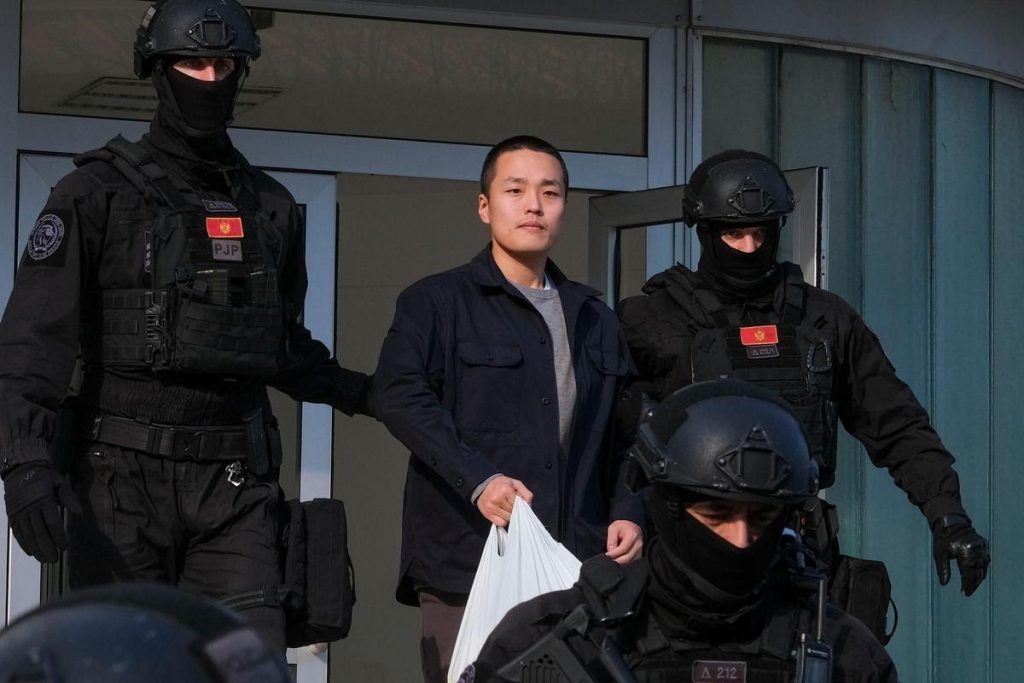
Do Kwon, the co-creator of the TerraUSD (UST) stablecoin, has been sentenced to 15 years in prison following one of the most catastrophic collapses in cryptocurrency history. The implosion of TerraUSD and its sister token, Luna, wiped out approximately $40 billion in market value, triggering widespread investor losses and regulatory scrutiny across the crypto sector. Authorities cited deliberate misrepresentation, market manipulation, and financial misconduct in their case against Kwon. The sentence marks a significant moment in the global effort to hold crypto entrepreneurs accountable, signaling increasing enforcement and potential systemic changes in cryptocurrency governance and oversight.
The Collapse of TerraUSD and Luna
TerraUSD, an algorithmic stablecoin designed to maintain parity with the U.S. dollar, relied on its sister cryptocurrency, Luna, to stabilize its value. In May 2022, this mechanism failed catastrophically, causing UST to lose its peg and triggering a near-total collapse of Luna. The debacle led to losses exceeding $40 billion, impacting retail and institutional investors alike. Market observers described the event as one of the largest failures in the history of digital assets, shaking confidence in algorithmic stablecoins and raising questions about the sustainability of such systems.
Legal Proceedings and Charges
Kwon, who co-founded Terraform Labs, faced multiple charges, including fraud, market manipulation, and misleading investors. Prosecutors argued that the collapse was not a simple market failure but the result of intentional schemes to inflate token value and obscure risks. Courts reviewed extensive evidence, including internal communications, financial records, and testimony from affected investors. The 15-year prison sentence reflects the gravity of the offenses and underscores the judiciary’s commitment to imposing severe consequences for financial misconduct in the rapidly evolving crypto industry.
Broader Implications for the Cryptocurrency Industry
The Kwon case has far-reaching implications for cryptocurrency regulation and investor protection. It highlights the vulnerabilities inherent in algorithmic stablecoins and the need for enhanced transparency and oversight. Regulators worldwide are increasingly scrutinizing crypto projects, and this high-profile conviction may act as a deterrent for future misconduct. Market participants are expected to exercise greater due diligence, while policymakers are likely to accelerate the development of frameworks to govern digital assets, bridging the gap between innovation and investor safeguards.
Investor Sentiment and Market Response
Following the sentencing, market analysts predict heightened caution among crypto investors. Confidence in algorithmic stablecoins has been severely undermined, and scrutiny on emerging digital assets is intensifying. Industry experts suggest that rebuilding trust will require robust auditing, clear regulatory guidelines, and proactive risk management measures. While some market participants remain optimistic about the long-term potential of blockchain technology, the TerraUSD collapse serves as a stark reminder of the high-risk nature of unregulated crypto ventures.
About Author