Bitcoin Reclaims Investor Dominance, Overtaking Dogecoin in 2025
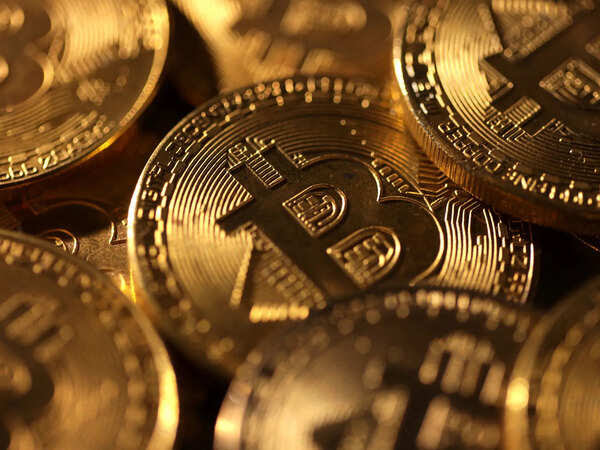
Bitcoin has emerged as the most-invested digital asset in 2025, overtaking Dogecoin and reaffirming its position at the center of the cryptocurrency market. According to findings from CoinSwitch’s annual industry report, investor preferences have shifted decisively toward assets perceived as more established and resilient. The trend reflects growing maturity among retail participants, increased institutional interest, and a renewed focus on long-term value rather than speculative momentum. As market volatility persists, Bitcoin’s dominance highlights a broader recalibration in digital asset allocation, with investors prioritizing credibility, liquidity, and macro relevance over novelty-driven trades.
A Shift in Investor Preference
The report indicates a clear change in how investors are allocating capital within the cryptocurrency ecosystem. Bitcoin, often viewed as the benchmark digital asset, has regained leadership in investment volumes after a period in which meme-based tokens captured disproportionate attention. The renewed interest suggests that market participants are gravitating toward assets with deeper liquidity, stronger network effects, and longer operating histories.
Analysts say this shift reflects a more disciplined approach to crypto investing, particularly as participants become more sensitive to risk and regulatory uncertainty.
Decline of Speculative Dominance
Dogecoin’s relative decline in investment rankings does not signal a collapse in interest, but rather a normalization after years of hype-driven trading. While meme coins continue to attract short-term speculation, their share of long-term portfolios has narrowed. Investors appear increasingly aware of the volatility and limited utility associated with such assets.
This evolution mirrors patterns seen in traditional markets, where speculative instruments tend to lose prominence as investors seek stability during uncertain economic cycles.
Bitcoin’s Renewed Appeal
Bitcoin’s resurgence is attributed to several structural factors. Its capped supply, growing acceptance as a store of value, and expanding use in institutional portfolios have reinforced its appeal. In addition, broader macroeconomic concerns—including inflation hedging and currency volatility—have renewed interest in Bitcoin as a non-sovereign asset.
Market observers also point to improved infrastructure, including custody solutions and regulatory clarity in key jurisdictions, as catalysts supporting sustained inflows.
Implications for the Crypto Market
The changing investment hierarchy signals a maturing digital asset market. As capital concentrates around fewer, more established cryptocurrencies, smaller tokens may face increased scrutiny from both investors and regulators. This consolidation could lead to reduced volatility at the market level, even as innovation continues at the edges of the ecosystem.
For platforms and asset managers, the trend underscores the importance of aligning products with evolving investor expectations around transparency and risk management.
Looking Ahead
Bitcoin’s return to the top spot in 2025 reflects more than a cyclical rally; it suggests a structural rebalancing within the crypto economy. As investors move away from hype-led decision-making toward fundamentals, Bitcoin’s role as the market’s anchor appears increasingly secure. Whether this dominance persists will depend on broader adoption trends, regulatory developments, and the market’s ability to balance innovation with stability.
About Author