Crypto Mining in the Global Financial System: Risk, Regulation and Institutional Capital
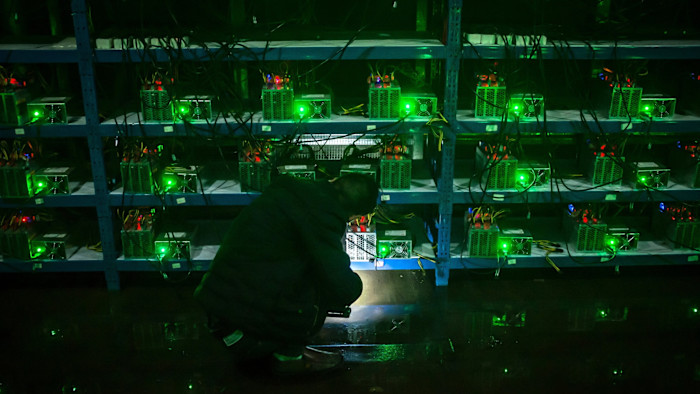
Crypto mining has become a strategic component of the broader digital asset economy, linking decentralized finance to physical infrastructure and capital markets. The process transforms electricity into cryptographic security, generating new tokens while validating blockchain transactions. As global investors seek exposure to digital assets beyond direct ownership, mining companies have emerged as proxy investment vehicles. Yet the sector faces persistent challenges—market volatility, regulatory scrutiny and environmental accountability. Its evolution reflects a broader institutionalization of cryptocurrency markets, where operational discipline and financial strategy increasingly determine success in a competitive, rapidly transforming ecosystem.
Mining as Digital Commodity Production
Crypto mining functions similarly to commodity extraction. Instead of drilling oil or mining gold, operators deploy computing power to extract digital assets through algorithmic validation.
The output—cryptocurrency—carries intrinsic scarcity governed by protocol rules. In Bitcoin’s case, issuance declines over time through scheduled “halving” events that reduce block rewards by 50 percent approximately every four years.
This declining supply dynamic introduces deflationary characteristics that influence price expectations and long-term investor behavior.
Institutionalization of Mining Firms
Over the past five years, mining has shifted from decentralized enthusiasts to corporate entities backed by venture capital and public markets. Mining firms raise equity, issue debt and deploy structured financing arrangements to scale operations.
Some companies hold mined tokens on their balance sheets as treasury assets, effectively combining production and investment strategies. This introduces additional market exposure, as balance sheet values fluctuate alongside cryptocurrency prices.
Institutional entry has also improved governance standards, financial transparency and operational accountability across the industry.
Capital Expenditure and Operational Risk
Mining requires significant upfront investment in hardware and infrastructure. ASIC machines have limited functional utility outside mining, creating asset concentration risk. Rapid technological obsolescence further pressures operators to continuously upgrade equipment.
Electricity contracts represent the largest operating expense. Long-term fixed-rate agreements provide cost stability but can reduce flexibility if market conditions deteriorate. Financial resilience depends on liquidity management and cost optimization. Operators with access to low-cost renewable energy tend to outperform competitors during bear markets.
Regulatory Scrutiny and Compliance Pressures
Governments increasingly evaluate crypto mining through financial stability, taxation and environmental lenses. Compliance obligations may include reporting standards, energy usage disclosures and licensing requirements.
In markets where digital assets are regulated commodities, mining operations often fall under securities or financial oversight frameworks. Transparent accounting practices and adherence to anti-money laundering standards are becoming prerequisites for institutional credibility.
Regulatory certainty encourages investment, while abrupt policy shifts can trigger capital flight and operational relocation.
Environmental, Social and Governance (ESG) Considerations
Environmental accountability has become central to mining’s long-term legitimacy. Investors evaluate companies based on energy mix, carbon intensity and sustainability reporting.
Some mining firms now publish ESG disclosures detailing renewable energy usage percentages and grid stabilization contributions. Mining’s flexible load characteristics can help balance intermittent renewable supply by absorbing surplus generation during off-peak periods.
This evolving narrative reframes mining from purely energy-intensive consumption to potential grid optimization partner.
Market Cycles and Strategic Positioning
The mining sector is inherently cyclical, tracking cryptocurrency price fluctuations. During bull markets, revenue surges and expansion accelerates. During downturns, weaker operators exit the market, consolidating hash rate among financially stable firms.
Strategic positioning during market contractions often determines long-term competitiveness. Firms that maintain liquidity and upgrade infrastructure during downturns are typically better positioned for subsequent growth cycles.
The Road Ahead
Crypto mining stands at a crossroads between speculative enthusiasm and structured financial integration. As blockchain adoption expands, demand for network security will persist. Yet sustainability and regulatory adaptation will shape industry trajectory.
Technological improvements in semiconductor design, renewable energy integration and financial hedging mechanisms are likely to redefine operational efficiency standards.
Mining’s transformation from experimental computing to institutional infrastructure reflects the broader maturation of digital assets within the global financial system.
About Author