FIFA Explores Launch of Global Digital Token as Governance Questions Surface
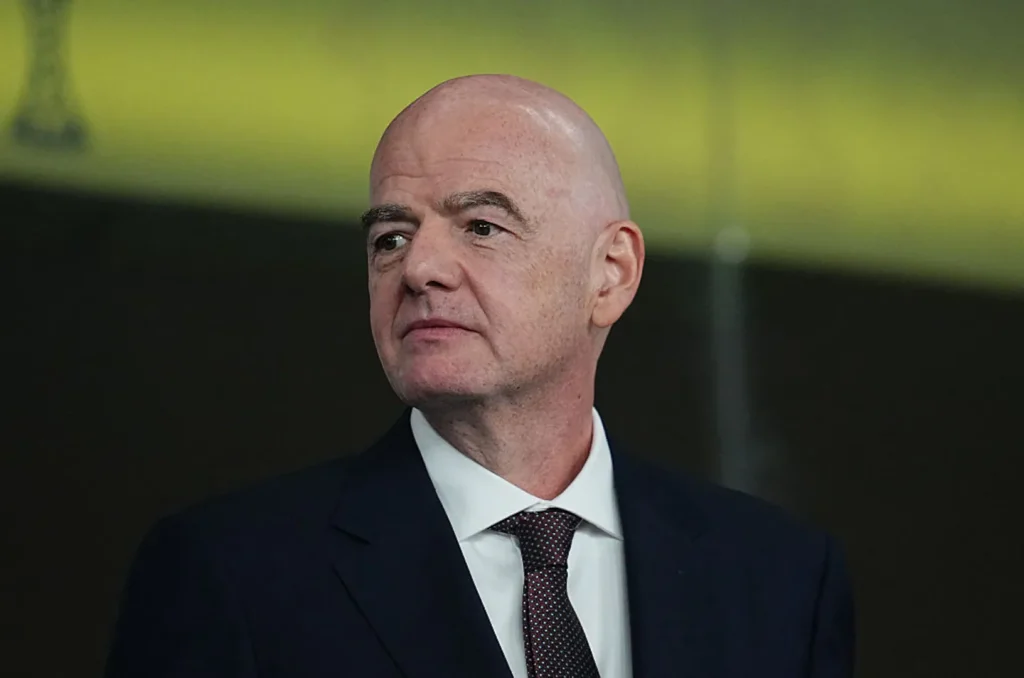
FIFA President Gianni Infantino has confirmed that the global football governing body is studying the potential launch of a proprietary cryptocurrency, envisioning a digital token that could engage billions of fans worldwide. The proposal, discussed at a high-profile forum in Florida, reflects sport’s accelerating intersection with blockchain technology and digital finance. While no formal roadmap or timeline has been disclosed, the announcement signals FIFA’s interest in leveraging crypto infrastructure for global engagement and commercial innovation. Separately, the International Olympic Committee has declined to pursue action over concerns related to political neutrality, closing the matter without sanctions.
FIFA Considers Digital Currency Initiative
FIFA is evaluating the possibility of developing its own cryptocurrency, according to President Gianni Infantino. Speaking at the World Liberty Forum held at Mar-a-Lago, Infantino said the organization is studying the creation of both a “FIFA token” and a “FIFA coin,” describing the concept as a potential global digital currency for the sport’s estimated 6 billion supporters.
The comments underscore FIFA’s interest in capitalizing on blockchain technology as part of a broader digital transformation strategy. However, Infantino did not provide a timeline, issuance structure, or regulatory framework for the proposed initiative.
Strategic Implications for Global Sports Finance
If implemented, a FIFA-backed cryptocurrency could represent one of the most ambitious digital asset projects undertaken by a global sports governing body. Blockchain-based fan tokens have gained traction in recent years, offering holders access to exclusive content, voting rights on limited club decisions, and digital collectibles.
A FIFA-issued token could potentially integrate ticketing, merchandise purchases, sponsorship activations, and cross-border payments within a single digital ecosystem. Analysts note that such a system could streamline international transactions, reduce currency conversion friction, and deepen fan engagement across emerging markets.
However, the commercial viability of a global sports cryptocurrency would depend heavily on regulatory compliance across jurisdictions, cybersecurity safeguards, and transparent governance mechanisms.
Previous Mentions of Crypto Ambitions
Infantino previously referenced the concept of a FIFA digital asset during remarks at a White House Crypto Summit last March. At that time, he similarly outlined the exploratory nature of the initiative without detailing financial models or operational structures.
The renewed discussion suggests FIFA remains interested in aligning with broader digital finance trends. Global cryptocurrency market capitalization continues to fluctuate significantly, yet institutional exploration of blockchain technology remains robust.
Observers caution that any official token issuance would require extensive legal and financial due diligence, particularly given the cross-border complexity of FIFA’s operations.
IOC Declines to Pursue Neutrality Concerns
Separately, the International Olympic Committee said it will take no action against Infantino regarding concerns about potential breaches of political neutrality rules. Questions had emerged over FIFA’s alignment with President Donald Trump’s Board of Peace initiative.
In a statement, the IOC indicated that the matter is considered closed, adding that FIFA’s development activities in Gaza are consistent with the responsibilities of an international sports federation. The decision removes the prospect of formal disciplinary proceedings.
Governance, Reputation, and Digital Expansion
The convergence of sport, politics, and digital finance presents both opportunity and reputational risk. While blockchain innovation offers commercial expansion pathways, global governing bodies must balance technological ambition with institutional credibility.
For FIFA, the potential launch of a cryptocurrency could open new revenue channels and modernize fan engagement. Yet success would hinge on transparency, regulatory adherence, and protection against market volatility — factors that have challenged many crypto ventures in recent years.
As international sports organizations explore digital frontiers, the outcome of FIFA’s feasibility studies may set a precedent for how global federations integrate blockchain technology into mainstream operations.
About Author