Solana vs. Ethereum: Why Tokenization Shows No Clear Front-Runner
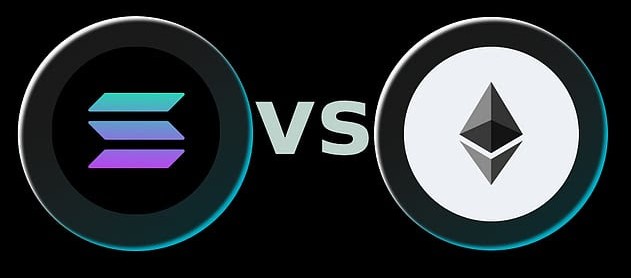
The race to dominate tokenization in the blockchain space is intensifying, with Solana and Ethereum emerging as the primary contenders. Ethereum, the pioneer of smart contracts, offers a vast ecosystem, high liquidity, and strong institutional adoption. Solana, in contrast, focuses on speed, low fees, and scalability, appealing to high-throughput decentralized finance (DeFi) and micropayment applications. Analysts note that each platform’s strengths serve different market segments, making it unlikely for a single blockchain to capture the entire tokenization landscape. This article examines the comparative advantages, structural limitations, and strategic positioning of Solana and Ethereum in 2025, highlighting the multi-chain future of digital assets.
Ethereum: The Established Ecosystem
Ethereum remains the dominant platform for tokenization due to its first-mover advantage and extensive network effects. Its mature smart contract capabilities support a broad spectrum of decentralized applications (dApps), non-fungible tokens (NFTs), and tokenized assets.
The platform’s advantages include deep liquidity, institutional participation, and an active developer community that continuously drives innovation. Ethereum’s widespread adoption makes it the default choice for high-value projects seeking security, reliability, and compliance.
However, high transaction fees and network congestion remain persistent challenges, prompting reliance on Layer 2 solutions and scalability improvements to maintain competitiveness.
Solana: Speed and Scalability
Solana has emerged as a formidable competitor by addressing limitations in transaction speed and cost. Its high-throughput architecture supports tens of thousands of transactions per second at minimal fees, making it attractive for DeFi projects, gaming applications, and micropayment platforms.
Developers value Solana for projects that require fast execution and cost-efficient operations. Yet, concerns over network decentralization and occasional outages pose risks to institutional confidence and long-term adoption.
Trade-Offs and Strategic Implications
The Solana-Ethereum comparison illustrates inherent trade-offs: Ethereum excels in security, liquidity, and ecosystem maturity, while Solana delivers efficiency and scalability. These complementary attributes suggest that tokenization will continue to evolve in a multi-chain environment rather than converge on a single dominant platform.
The rise of cross-chain interoperability and Layer 2 solutions further supports a diversified blockchain landscape, allowing projects to leverage the strengths of multiple networks simultaneously.
The Multi-Chain Future of Tokenization
Analysts predict that the tokenization market will benefit from a multi-chain approach, where assets and applications are deployed across different blockchains according to specific performance, cost, and regulatory requirements.
For investors and developers, evaluating blockchain selection requires balancing security, speed, ecosystem support, and operational costs. Solana and Ethereum are likely to coexist, serving distinct niches and collectively driving the evolution of tokenized finance in 2025 and beyond.
About Author