XRP Breaks Chain Barriers as Cross-Network Expansion Targets DeFi Liquidity
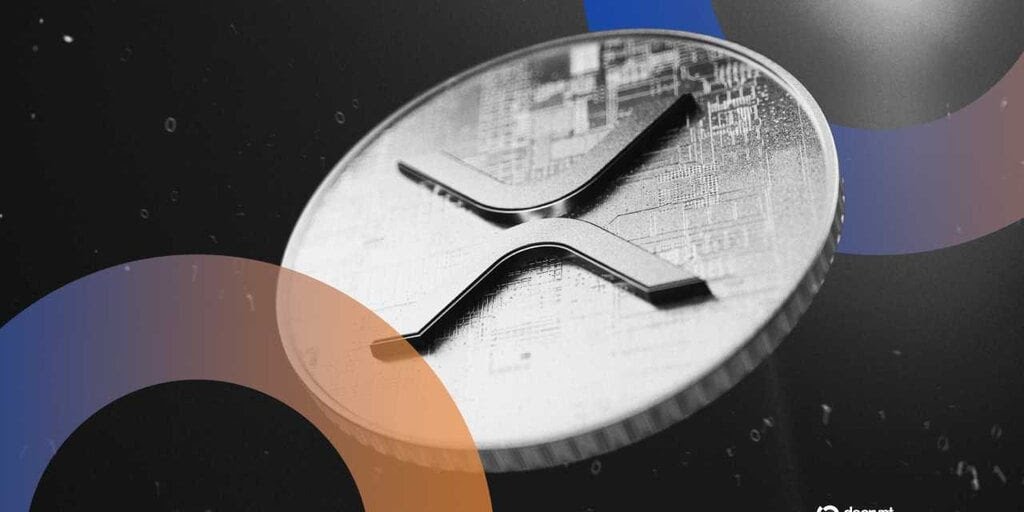
XRP is preparing for a strategic leap beyond its native ledger, positioning itself for broader participation in decentralized finance across major blockchain ecosystems. Through a newly introduced wrapped version, the asset will soon operate on leading layer-1 and layer-2 networks, significantly expanding its liquidity footprint and functional scope. The move reflects a growing industry push toward interoperability, where digital assets are no longer confined to single networks. For XRP, the expansion represents a calculated attempt to deepen market relevance, unlock new use cases in decentralized trading and lending, and align with the evolving architecture of multi-chain finance.
A Strategic Shift Toward Interoperability
XRP, long associated primarily with its own ledger, is entering a new phase of cross-chain utility. A wrapped representation of the token, backed on a one-to-one basis, is being introduced to enable XRP’s use on prominent blockchain networks, including Ethereum and Solana. This structural change allows the asset to function seamlessly outside its native environment while preserving price parity and underlying value.
The initiative reflects a broader industry trend in which interoperability has become central to growth strategies, particularly as decentralized finance matures into a multi-network ecosystem rather than a collection of isolated chains.
How the Wrapped Model Works
The expansion is powered by a custodial wrapper that locks XRP and issues an equivalent tokenized version on external networks. Each unit of the wrapped asset is fully backed, ensuring transparency and mitigating dilution risks. This mechanism allows XRP holders to deploy capital across multiple ecosystems without relinquishing exposure to the underlying asset.
Initially, the wrapped token will be available on Ethereum, Solana, and select scaling networks, with additional blockchains expected to follow. The structure mirrors established wrapped-asset models already familiar to institutional and retail participants alike.
Implications for DeFi and Market Liquidity
By entering Ethereum- and Solana-based DeFi markets, XRP gains access to deeper pools of liquidity and a broader range of financial applications. These include decentralized exchanges, automated market-making strategies, collateralized lending, and yield-generation protocols.
From a market perspective, the move reduces friction for traders and liquidity providers who operate across multiple chains. It also strengthens XRP’s role as a transferable unit of value rather than a network-specific token, improving capital efficiency and potentially narrowing liquidity fragmentation.
Strategic Alignment With Stablecoin and Payments Infrastructure
The expansion is also designed to complement XRP’s growing interaction with stablecoin infrastructure, particularly as regulated digital currencies gain traction in cross-border settlement and on-chain finance. Cross-chain compatibility enables smoother movement between payment-focused rails and yield-oriented DeFi environments, an increasingly valuable combination as institutions explore tokenized finance.
This dual positioning — payments on one end and programmable finance on the other — could help XRP remain relevant in a market that increasingly rewards versatility.
Market Outlook and Industry Context
The decision to broaden XRP’s technical reach comes at a time when digital asset markets are emphasizing utility over speculation. Assets capable of functioning across chains, platforms, and financial products are better positioned to attract sustained capital inflows.
While the success of the initiative will depend on adoption, security, and regulatory clarity, the strategy signals a deliberate effort to reposition XRP as an interoperable liquidity asset rather than a single-ledger instrument.
Conclusion
XRP’s upcoming cross-chain deployment marks a notable evolution in its long-term strategy. By embracing interoperability and DeFi integration, the asset is aligning itself with the structural direction of the digital economy. For investors and market participants, the move underscores a broader shift toward network-agnostic finance — one where value is defined less by where an asset originates and more by where it can operate efficiently.
About Author